
Prevent mold growth in a bathroom naturally with these simple steps
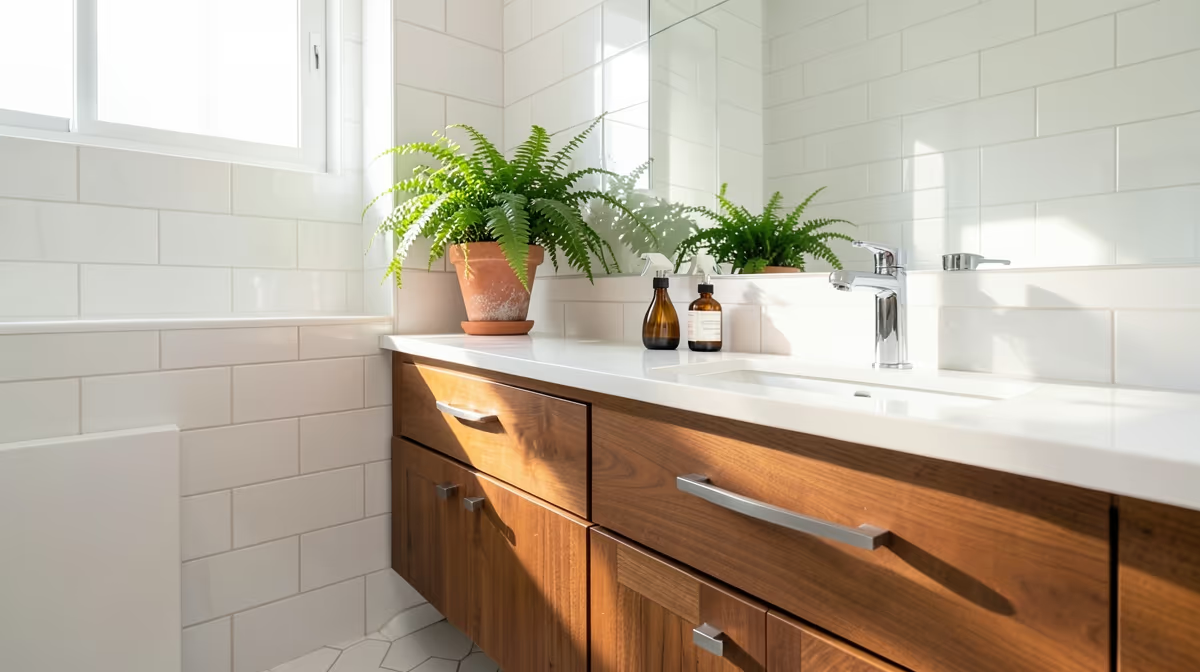
Bathrooms are natural magnets for moisture, making them the most common spot in the house for dampness to take hold. Fortunately, you can easily prevent mold growth in a bathroom without resorting to toxic fumes or corrosive bleach. By understanding how mold thrives and making a few simple shifts in your daily routine, you can keep your space fresh, clean, and completely safe using natural, readily available household ingredients.
To stop mold before it starts, focus on reducing humidity below 50 percent and wiping down wet surfaces immediately after use.
Understanding Why Bathroom Mold Happens
Mold is a type of fungus that reproduces through tiny, invisible spores floating in the air. These spores are completely harmless in small quantities, but they quickly multiply when they land on wet surfaces. Your bathroom provides the ideal breeding ground because it regularly combines three elements: warmth, food sources like soap scum or dead skin cells, and constant moisture.
To effectively stop this cycle, you must control the moisture level in the room. Mold spores need standing water or high humidity to germinate. If you can keep the relative humidity in your bathroom below 50 percent, mold spores will remain dormant and eventually die off without ever taking root on your walls or ceilings.
Essential Natural Solutions for Daily Maintenance
You do not need industrial-strength chemicals to keep your bathroom surfaces clean and sanitary. In fact, many common household pantry items possess natural antifungal properties that disrupt mold growth before it can establish a foothold.
White vinegar is one of the most powerful natural tools at your disposal. The mild acid in vinegar penetrates porous surfaces like tile grout to kill the root systems of mold, rather than just bleaching the surface color. Baking soda is another excellent tool that absorbs moisture and neutralizes odors while acting as a gentle scrub. For areas that need extra disinfection, hydrogen peroxide offers a safe, scent-free alternative to harsh chemical bleaches.
Step-by-Step Daily Routine to Keep Mold Away
Preventing mold is far easier than removing it once it has deeply penetrated your grout or drywall. Establishing a quick, five-minute routine after every shower or bath will save you hours of scrubbing later.
- Run the exhaust fan: Turn on your bathroom fan before you start the water and let it run for at least twenty minutes after you finish. This draws the damp, heavy air out of the room.
- Squeegee the walls: Use a small rubber squeegee to wipe down the shower walls, glass doors, and tub floor immediately after bathing. This simple act removes up to 90 percent of the standing water that mold needs to grow.
- Dry the fixtures: Take a quick moment to wipe down metal faucets, handles, and sink rims with a dry microfiber cloth.
- Spread out the shower curtain: If you use a fabric curtain or plastic liner, pull it completely closed across the tub so it can dry flat. Leaving it bunched up creates damp folds where mold thrives.
- Hang towels properly: Never leave damp towels bunched on the floor or hung over a single hook. Use a wide towel bar or a drying rack to ensure they dry completely within a few hours.
Always open your bathroom window at least three inches during or after a shower if you do not have an active exhaust fan installed.
How to Mix Your Own Natural Antifungal Sprays
Instead of buying commercial cleaners that irritate your lungs and eyes, you can easily mix your own highly effective preventative sprays at home. These natural mixtures can be sprayed directly onto tiles, grout, and glass after your daily squeegee routine.
| Natural Ingredient | Mixing Ratio | Best Used For |
|---|---|---|
| **distilled white vinegar** | Use full strength, undiluted | Grout lines, shower glass, tile surfaces |
| **tea tree oil** | 1 teaspoon per cup of water | Stubborn corners, wooden fixtures, silicone sealant |
| Hydrogen Peroxide (3%) | Use full strength from bottle | Disinfecting drain rims, vertical wall spots |
To use the vinegar spray, simply fill a clean spray bottle with pure vinegar. Mist it over your shower walls after your final wipe-down. There is no need to rinse it off; the strong scent will dissipate completely within an hour as the liquid dries. If you prefer a pleasant aroma, add ten drops of lavender or eucalyptus essential oil to the bottle.
Crucial Areas You Might Be Forgetting
When we think of bathroom mold, we usually picture the shower tiles. However, mold often establishes itself in hidden corners of the room where air is stagnant and moisture pools unnoticed.
The Shower Curtain Liner
Plastic shower curtain liners are notorious for collecting soap scum and body oils, which serve as perfect food sources for fungal spores. To keep your liner clean without scrubbing, wash it in your washing machine on a gentle cycle with a couple of old bath towels and half a cup of baking soda. Hang it back up to air dry.
Under the Sink and Around the Toilet
Slow, minor leaks from supply lines can create a humid environment inside vanity cabinets. Check under your sink regularly for damp pipes or warped wood. Additionally, make sure to wipe down the base of your toilet where condensation often drips onto the bathroom floor.
Bath Mats and Fabric Decor
Fabric bath mats absorb a tremendous amount of water every day. If left on the floor, the underside of the mat stays damp for hours, encouraging mold to grow on both the fabric and the flooring beneath it. Hang your bath mat over the edge of the tub to dry after every use, and wash it weekly in hot water.
When to Bring in Professional Help
While daily habits and natural sprays are highly effective at keeping mold at bay, there are times when domestic remedies are not enough. If you already have a severe infestation, you must evaluate the scale of the problem.
If the mold coverage on your walls or ceiling is larger than ten square feet, or if the mold has deeply penetrated porous drywall, plaster, or subflooring, it is time to call a professional remediation specialist. Attempting to clean large areas of mold yourself can release millions of active spores into the indoor air, which can spread the problem to other rooms in your home and affect your indoor air quality.
Frequently Asked Questions
What is the fastest way to prevent mold growth in a bathroom?
The fastest way is to control the humidity levels by running an exhaust fan for twenty minutes after every shower. Wiping down wet surfaces immediately with a squeegee also removes the water that spores need to grow.
Does vinegar really kill bathroom mold?
Yes, distilled white vinegar contains acetic acid, which penetrates deep into porous surfaces to kill mold at the root. It is highly effective for routine cleaning and is safe to use around pets and family members.
How often should I spray my shower with natural mold preventatives?
Mist your shower walls with a vinegar spray two to three times a week after squeegeeing. This creates an acidic environment on the tile surfaces that prevents new mold spores from settling and growing.
Can house plants help reduce mold in bathrooms?
Certain plants, like ferns or peace lilies, can absorb a small amount of airborne moisture, but they cannot replace proper ventilation. Relying solely on plants without running a fan will not prevent mold from growing.
Conclusion
Preventing bathroom mold does not require harsh chemical cleaners or expensive equipment. By maintaining daily ventilation, squeegeeing standing water, and using simple natural sprays like white vinegar, you can keep your bathroom fresh and dry. Focus on consistency with these small daily habits to enjoy a clean, healthy home environment.


