
Cleaning Burnt Stainless Steel Pans Made Easy with Simple Steps
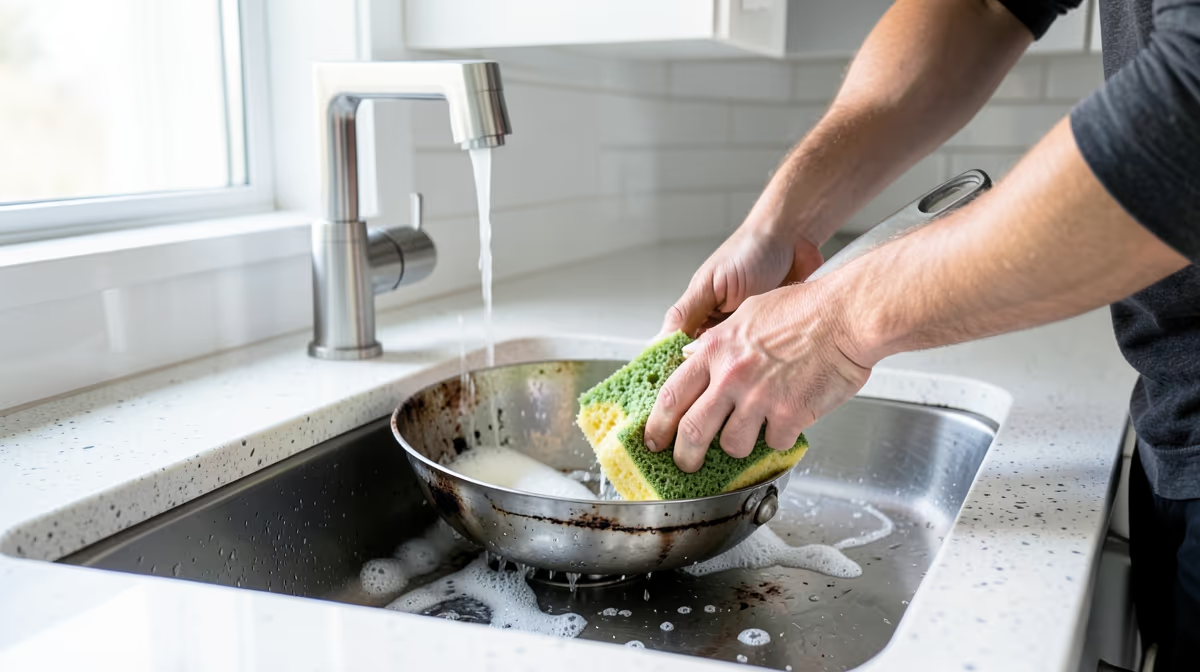
If you forgot a pot on the stove and ended up with a thick layer of carbonized food, you do not need to throw the cookware away. You can safely clean a burnt stainless steel pan using basic household ingredients without scratching or ruining the metal finish.
Always let your burnt pan cool down completely before adding any water to prevent the metal from warping due to sudden thermal shock.
What You Need to Get Started
Before you begin scrubbing, gather a few basic supplies that safely lift burnt residue off stainless steel surfaces without causing permanent scratches. Most of these items are likely already in your kitchen pantry or cabinet.
- Baking soda
- White vinegar
- Liquid dish soap
- Non-abrasive nylon scrubbing pad or sponge
- Standard wooden or silicone spatula
- Water
Step-by-Step Instructions to Lift the Burn
Dealing with severe carbon buildup requires patience and the right chemical reaction to break down the bond between the metal and the charred food. Follow this straightforward process to restore the surface of your pan.
- Let the burnt pan cool down completely to room temperature.
- Fill the pan with equal parts water and white vinegar, ensuring the burnt areas are fully submerged.
- Place the pan on the stove over medium heat and bring the liquid to a gentle boil for about five minutes.
- Remove the pan from the heat source and carefully pour out the vinegar and water mixture.
- Sprinkle a generous amount of baking soda directly over the remaining burnt spots while the pan is still warm.
- Let the baking soda and residual moisture sit together for ten to fifteen minutes to create a mild abrasive paste.
- Use a non-abrasive sponge or nylon pad to gently scrub away the loosened charred debris in circular motions.
- Wash the pan thoroughly with warm water and standard dish soap, then dry it completely with a soft towel.
Alternative Method for Stubborn Burn Marks
If boiling vinegar does not lift the entire charred layer, you can create a thick paste using equal parts baking soda and hydrogen peroxide. Spread this paste over the stubborn burnt spots and let it sit for up to one hour before scrubbing with a nylon pad. Hydrogen peroxide works as a gentle oxidizer that helps break down stubborn organic compounds stuck to the metal.
| Cleaning Agent | Best Used For | Safety Note |
|---|---|---|
| Baking Soda | Gentle surface abrasion and neutralizing acidity | Do not use metal scouring pads |
| White Vinegar | Dissolving mineral deposits and burnt sugars | Do not mix with bleach |
| Hydrogen Peroxide | Lifting dark carbonized grease stains | Wear gloves if skin is sensitive |
Common Mistakes to Avoid
Using the wrong tools or cleaning products can permanently ruin the finish of your stainless steel cookware. Avoid these common errors to keep your pots and pans in good condition.
- Never use steel wool, wire brushes, or harsh metal scouring pads because they scratch and pit stainless steel surfaces.
- Avoid using chlorine bleach or oven cleaner on your cookware, as these chemicals discolor and degrade the metal.
- Do not plunge a red-hot pan into cold water, because the sudden temperature change warps the flat bottom permanently.
Never scrape burnt food with a sharp metal knife or fork, as this gouges the metal and creates grooves where food will stick even more during future cooking.
Frequently Asked Questions
Can I use dishwasher detergent to clean a burnt stainless steel pan?
Yes, you can fill the pan with hot water and drop in a dishwasher tablet, letting it soak overnight to break down the burnt residue before scrubbing.
Will bar keepers friend ruin my stainless steel pan?
No, Bar Keepers Friend is specifically formulated for stainless steel and safely removes burnt residue when used according to the package directions.
Is it safe to use lemon juice instead of white vinegar?
Yes, the natural citric acid in fresh lemon juice acts similarly to vinegar and helps break down burnt food when boiled with water.
Why did my stainless steel pan turn rainbow colored after heating?
Overheating causes a harmless thermal tint or heat patina on stainless steel, which you can easily remove by wiping the surface with a sponge dipped in vinegar.
Conclusion
Restoring a heavily scorched piece of cookware requires very little effort when you rely on pantry staples like baking soda and vinegar rather than harsh elbow grease. By letting the pan cool properly and allowing cleaning agents time to break down the carbon, you preserve the lifespan of your kitchen investment.


