
Remove Grease from Kitchen Tiles with These Simple Cleaning Steps
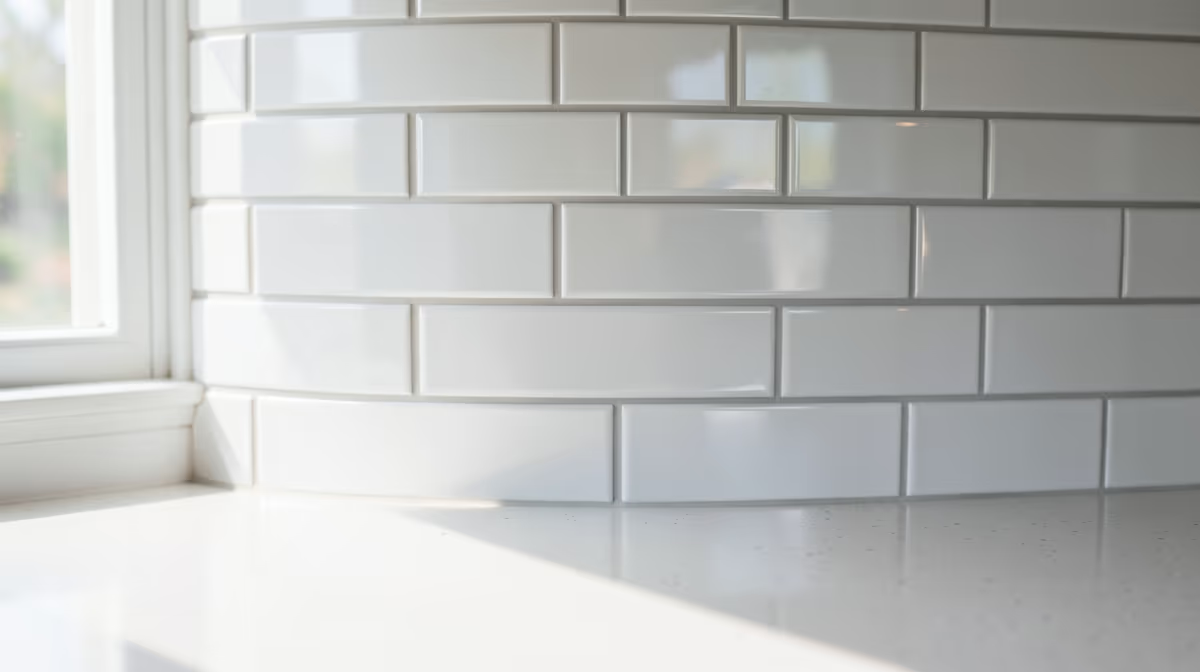
Kitchen walls quickly accumulate a sticky, yellow film of cooking oil and splattered fat that attracts dust and dirt. Learning how to remove grease from kitchen tiles safely and efficiently prevents permanent staining and keeps your cooking space hygienic. You do not need harsh industrial chemicals to dissolve these stubborn layers; instead, a few household staples or targeted cleaners will do the job without damaging your grout or tile glaze.
Fresh grease wipes away easily with mild dish soap and warm water, but hardened buildup requires an alkaline agent like baking soda or a specialized degreaser to break down the acidic lipids.
Choosing the Right Cleaning Agent
Different types of kitchen tiles require different approaches. Ceramic and porcelain are highly durable and can withstand mild abrasives and acids, whereas natural stone tiles like marble, slate, or travertine are easily damaged by acidic household cleaners like vinegar or lemon juice. Selecting the correct solvent ensures you lift the oil without etching the stone or stripping the protective sealant.
| Cleaning Agent | Best Used For | Safe on Natural Stone? |
|---|---|---|
| Dish Soap & Water | Daily maintenance, light splatters | Yes |
| Baking Soda Paste | Hardened, sticky grease | Yes (non-abrasive scrub) |
| White Vinegar | Cutting through light grease, deodorizing | No (acidic) |
| Commercial Degreaser | Heavy, baked-on industrial-grade buildup | Check product label |
Step-by-Step Method for Light Grease Splatters
If your tiles have a thin, sticky layer of recent cooking residue, a straightforward soapy wash is the safest and fastest solution. Dish soap is specifically formulated to emulsify and break down grease on dishes, and it works just as effectively on vertical wall surfaces.
- Mix warm water and soap: Fill a small bucket or bowl with warm water and add a generous squeeze of grease-cutting dish soap. Stir until it forms a sudsy mixture.
- Apply the soapy water: Dip a soft microfiber cloth or non-scratch sponge into the soapy water, wring out the excess so it is damp but not dripping, and wipe down the tiles.
- Scrub gently: For areas directly behind the stove that receive more direct heat, use the textured side of a non-scratch sponge in gentle circular motions.
- Rinse the surface: Wipe the tiles down with a clean, damp cloth dipped in fresh, unsoapy water to remove any soapy film left behind.
- Dry thoroughly: Use a clean towel to dry the wall, preventing water spots and streaks.
How to Remove Stubborn and Hardened Grease
When grease is left on kitchen tiles for weeks or months, the heat from cooking bakes the oils, causing them to polymerize into a tough, lacquer-like shell. Standard soap and water will slide right off this surface without breaking it down. To tackle this, you must use alkaline cleaners like sodium bicarbonate (baking soda) to safely break the chemical bonds of the hardened grease.
- Create a cleaning paste: Mix three parts baking soda with one part warm water in a small bowl until it reaches the consistency of thick toothpaste.
- Apply to the buildup: Spread the paste directly onto the greasy tiles using your fingers or a soft spatula, ensuring a thick, even layer over the worst areas.
- Let it sit: Allow the paste to rest on the grease for 10 to 15 minutes. This gives the alkaline baking soda time to soften and emulsify the acidic grease layers.
- Scrub the tiles: Use a damp, non-abrasive sponge or a soft-bristled brush to scrub the paste in circular motions. The baking soda acts as a mild abrasive to lift the softened residue without scratching glazed tile surfaces.
- Wipe and rinse: Use a clean, damp microfiber cloth to wipe away the gritty residue, rinsing your cloth frequently in clean water until the tiles are smooth and clear.
Deep Cleaning Grease from Grout Lines
While tile surfaces are non-porous and relatively easy to clean, the grout lines between them present a different challenge. Grout is highly porous and acts like a sponge, drawing grease and colored cooking liquids deep below the surface. Left uncleaned, grout becomes a breeding ground for bacteria and suffers from permanent yellow or brown discoloration.
To clean grout lines, apply the same baking soda paste described above directly to the joints. Use a narrow, soft-bristled grout brush or an old toothbrush to work the paste deep into the crevices. Scrub along the lines with firm, steady pressure, taking care not to scrape the tile edges. For especially dark grease stains, you can spray a 1:1 mixture of warm water and white vinegar over the baking soda paste. This causes a bubbling reaction that helps lift the trapped dirt to the surface. Rinse the area thoroughly with clean water once the bubbling stops.
Warning: Never use acidic mixtures like vinegar on grout lines made with unsealed cement-based grout, as the acid can slowly dissolve the binder and weaken the structure over time.
Safety Tips and Mistakes to Avoid
Cleaning kitchen grease can be frustrating, which often leads to using overly aggressive methods that permanently damage kitchen surfaces. Avoid these common mistakes to keep your walls pristine:
- Do not use steel wool, wire brushes, or highly abrasive scouring pads. These tools will scratch the protective glaze off ceramic and porcelain tiles, leaving them dull and making them even more prone to catching grease in the future.
- Never mix different cleaning chemicals, particularly bleach and ammonia or bleach and vinegar, as this creates highly toxic gases.
- Do not use harsh chemical degreasers in unventilated spaces. Always open windows or run the range hood exhaust fan when using strong commercial products.
- Avoid letting cleaning solutions dry completely on the tiles, as this redeposits the suspended grease back onto the surface, making it twice as hard to remove.
How to Prevent Future Grease Buildup
The easiest way to deal with kitchen grease is to prevent it from settling and hardening in the first place. Incorporating a few simple habits into your cooking routine will save you hours of deep scrubbing later.
- Wipe as you go: Keep a spray bottle of mild soapy water and a microfiber cloth handy, and spend two minutes wiping down the tiles behind your stove immediately after every cooking session while the grease is still warm and liquid.
- Use a splatter guard: Place a fine-mesh metal splatter screen over frying pans and pots to catch oil droplets before they ever reach your wall tiles.
- Run your exhaust hood: Turn on your kitchen extractor fan before you start heating oil, and leave it running for five to ten minutes after you finish cooking to pull airborne grease particles out of the room.
- Reseal your grout: Apply a high-quality grout sealer once a year to create a water- and oil-resistant barrier that stops grease from penetrating the porous cement joints.
Frequently Asked Questions
Can I use vinegar to remove grease from kitchen tiles?
Yes, vinegar is a mild acid that can dissolve light grease on ceramic and porcelain tiles. However, you should never use vinegar on natural stone tiles or unsealed cement grout, as the acid can etch the surface and weaken the materials.
What is the fastest way to remove grease from kitchen tiles?
The fastest way to remove grease from kitchen tiles depends on its age. For fresh splatters, a quick wipe with warm water and dish soap works instantly, while older, baked-on grease requires a baking soda paste to break down the sticky film.
Is WD-40 safe to use on kitchen tiles for grease removal?
While WD-40 can dissolve tough grease, it is not recommended for kitchen tiles because it leaves behind a slick, chemical residue that is difficult to wash off. Stick to food-safe household cleaners like dish soap or baking soda for kitchen surfaces.
How often should I clean kitchen tile grease?
You should wipe down your tiles after every cooking session to prevent grease from hardening. A deeper clean with a mild degreaser or baking soda paste should be performed once every month or two to keep the grout lines clean.
Conclusion
Removing grease from kitchen tiles requires matching the right cleaning agent to the age of the buildup and your tile type. Fresh splatters respond well to simple dish soap and warm water, while older, hardened layers need the gentle alkaline power of baking soda. By protecting your grout with sealants, cleaning up immediately after cooking, and avoiding abrasive scrubbing tools, you can easily maintain a clean, grease-free kitchen backsplash.


