
Remove Water Stains from Taps: Simple Cleaning Methods That Work
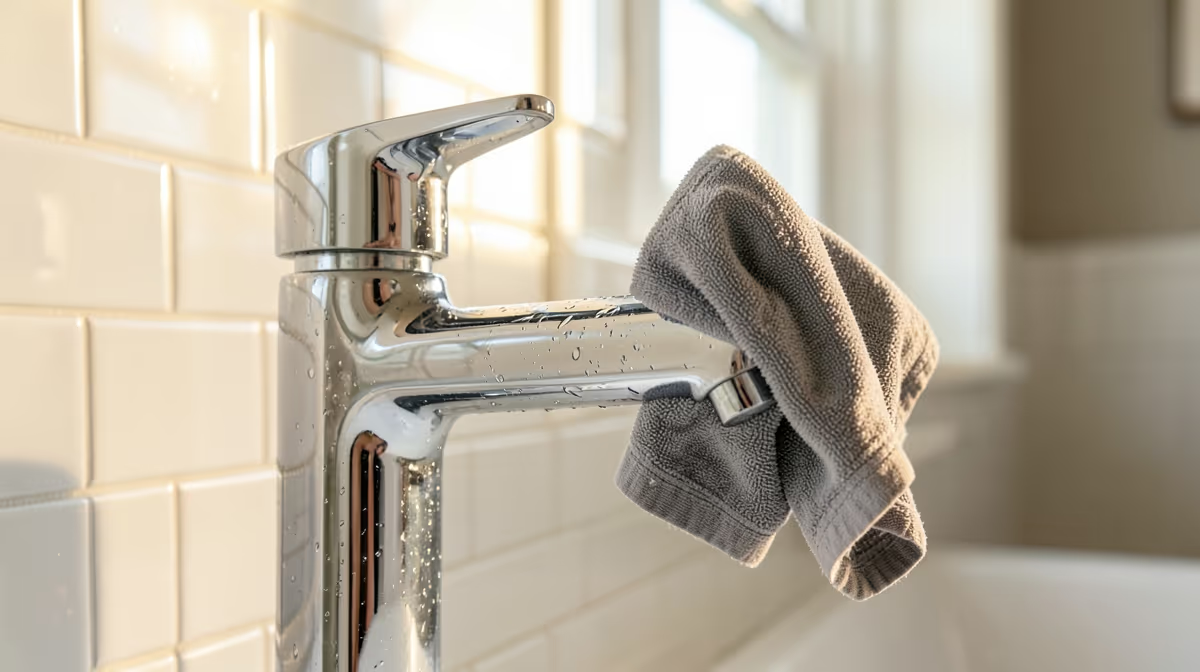
Dull, cloudy spots on your bathroom and kitchen fixtures can quickly make an entire room look unkempt. You can easily remove water stains from taps using common household items, restoring their original bright shine without damaging the delicate finish. These white, chalky deposits are caused by minerals like calcium and magnesium left behind when water evaporates. Understanding how to dissolve these mineral bonds safely is the key to keeping your plumbing fixtures looking brand new.
Acidic household ingredients like white vinegar or lemon juice naturally dissolve the mineral deposits causing water stains on taps, making them easy to wipe away without harsh scrubbing.
Understanding What Causes Water Stains on Taps
The unsightly spots on your faucets are not actually stains in the traditional sense; they are mineral accumulations. When tap water lands on a fixture and evaporates, it leaves behind any dissolved minerals it was carrying. Over time, these minerals build up into a hard, white substance often referred to as limescale or hard water spots.
If you live in an area with hard water, which contains a higher concentration of calcium and magnesium, you will notice these spots forming much faster. If left untreated, these deposits can harden into a crust that is difficult to wipe away and can eventually restrict water flow if they build up around the aerator.
What You Will Need to Remove Water Stains
Before you begin cleaning, gather your supplies. Using the right tools prevents you from accidentally scratching or stripping the protective coating on your fixtures.
| Material | Purpose |
|---|---|
| White vinegar | Naturally dissolves calcium and mineral buildup |
| Fresh lemon | Great for spot cleaning and leaving a fresh scent |
| Baking soda | Mild abrasive for scrubbing stubborn deposits |
| Microfiber cloths | Scratch-free cleaning, wiping, and final polishing |
| Old toothbrush | Gently cleans tight corners, seams, and aerators |
| Plastic bag & rubber band | Holds vinegar in place for hands-free soaking |
Using a microfiber cloth is highly recommended over paper towels or standard rags. Microfiber lifts away loosened mineral deposits without leaving lint behind or scratching polished metals.
Step-by-Step Cleaning Methods for Different Tap Finishes
Depending on the severity of the stains and the type of metal you are cleaning, choose one of the following step-by-step methods. These are highly effective for standard chrome fixtures and stainless steel taps.
Method 1: The Vinegar Soak for Stubborn Buildup
This hands-free method is perfect for heavy mineral crusts that have accumulated around the base or spout of your tap.
- Soak a clean microfiber cloth or a few paper towels in pure white vinegar.
- Wrap the wet cloth tightly around the affected areas of the tap, ensuring direct contact with the mineral buildup.
- Secure the cloth in place with a rubber band or plastic twist tie.
- For faucet spouts, fill a small plastic sandwich bag with vinegar, submerge the tip of the spout in the liquid, and secure the bag with a rubber band.
- Leave the vinegar to work for 15 to 30 minutes. Do not leave it on longer, as prolonged acid exposure can damage certain metal plating.
- Remove the cloth or bag, and gently scrub any remaining loosened deposits with an old toothbrush.
- Rinse the tap thoroughly with warm, clean water to neutralize the acid.
- Dry the fixture completely with a fresh, dry microfiber cloth.
Method 2: The Lemon Rub for Light Spots
If your taps only have light, fresh water spots, the natural citric acid in lemons provides a quick and pleasant-smelling solution.
- Cut a fresh lemon in half.
- Rub the cut side of the lemon directly over the water spots, squeezing slightly to release the juice onto the metal.
- For the aerator or spout, press half of the lemon directly onto the tip and twist it back and forth to coat the nozzle in juice.
- Let the lemon juice sit on the tap for no more than 5 to 10 minutes.
- Wipe the tap clean with a damp cloth, rinsing away all remaining fruit pulp and juice.
- Buff the surface dry with a clean microfiber cloth to reveal a spot-free shine.
Method 3: The Baking Soda Paste for Heavy Stains
For stubborn water spots that resist liquid vinegar alone, a gentle abrasive paste can help lift the residue without scratching the metal.
- Mix three parts baking soda with one part warm water in a small bowl to create a thick paste.
- Apply the paste directly to the water stains using your fingers or a soft cloth.
- Let the paste sit on the stains for 5 to 10 minutes.
- Use a soft, damp cloth or a soft-bristled toothbrush to gently scrub the paste in small circular motions.
- Rinse the area thoroughly with warm water to remove all white baking soda residue.
- Dry and buff the tap with a dry microfiber cloth.
How to Clean Delicate Finishes Safely
Modern bathrooms often feature delicate finishes like matte black, brushed brass, oil-rubbed bronze, or gold plating. These finishes require extreme care because they usually have a thin protective clear coat or are "living finishes" that naturally change color over time. Acidic cleaners like vinegar and lemon juice can easily strip or discolor these surfaces.
Always test any cleaning solution on a small, hidden area of the tap first to ensure it does not discolor or damage the finish.
For these delicate surfaces, avoid vinegar and lemons entirely. Instead, use a few drops of mild dish soap mixed with warm water. Wipe the tap gently using a soft microfiber cloth, rinse with clean water, and dry immediately. If you must deal with stubborn hard water spots on matte black or brass, use a highly diluted vinegar solution (one part vinegar to three parts water) and limit the contact time to less than two minutes before rinsing thoroughly.
Common Mistakes to Avoid When Cleaning Taps
When trying to restore the shine to your plumbing fixtures, it is easy to make mistakes that can permanently ruin their appearance. Avoid these common pitfalls:
- Using abrasive scrubbers: Never use steel wool, wire brushes, or green scouring pads. These will leave fine scratches on chrome and completely ruin matte or brushed finishes.
- Leaving acidic cleaners on too long: Acidic ingredients like vinegar and lemon juice can pit or discolor metal if left to sit for hours. Always stick to the recommended times.
- Using harsh chemical cleaners: Bleach, ammonia, and industrial descalers are too harsh for residential taps and can cause bubbling, peeling, or tarnishing of the metal plating.
- Forgetting to dry the fixture: Simply rinsing the tap after cleaning is not enough. If you leave water droplets on the surface to air dry, new water spots will form immediately, undoing your hard work.
How to Prevent Water Stains from Returning
The most effective way to deal with water spots is to prevent them from forming in the first place. You can maintain clean taps with a few simple habits.
Keep a dry microfiber cloth near your sink. Make it a habit to quickly wipe down the tap after washing dishes or brushing your teeth. This takes only five seconds and removes the standing water before it has a chance to evaporate and leave minerals behind.
Alternatively, you can apply a thin coat of car wax or specialized plumbing fixture wax to your clean, dry taps once every few months. The wax creates a microscopic, water-resistant barrier that causes water to bead up and slide off the metal instead of pooling and drying on it.
Frequently Asked Questions
Can I use vinegar on matte black taps to remove water spots?
You should avoid using full-strength vinegar on matte black taps, as the acid can strip the delicate protective coating and leave permanent gray streaks. Instead, use warm water mixed with mild dish soap, or a highly diluted vinegar solution for no more than one minute before rinsing.
How often should I clean my taps to prevent hard water buildup?
To prevent tough mineral crusts from forming, you should wipe your taps dry after daily use and give them a quick cleaning with mild soap once a week. If you live in a hard water area, a quick monthly vinegar or lemon treatment will keep buildup at bay.
Why does my tap still look cloudy after cleaning it with vinegar?
If the cloudiness remains, the finish may be permanently damaged or etched from past use of harsh chemical cleaners, or there may still be a thin layer of mineral buildup. Try repeating the vinegar soak method one more time, or use a gentle baking soda paste to lift the remaining residue.
Conclusion
Removing mineral spots from your taps does not require expensive chemicals or intense scrubbing. By using simple, acidic kitchen staples like white vinegar or lemon juice, you can safely dissolve mineral bonds and restore a beautiful shine to your kitchen and bathroom fixtures. Remember to always dry your taps thoroughly after cleaning, and practice daily wipe-downs to keep new spots from forming.


