
Clothes Smell After Washing: Root Causes and Quick Fixes
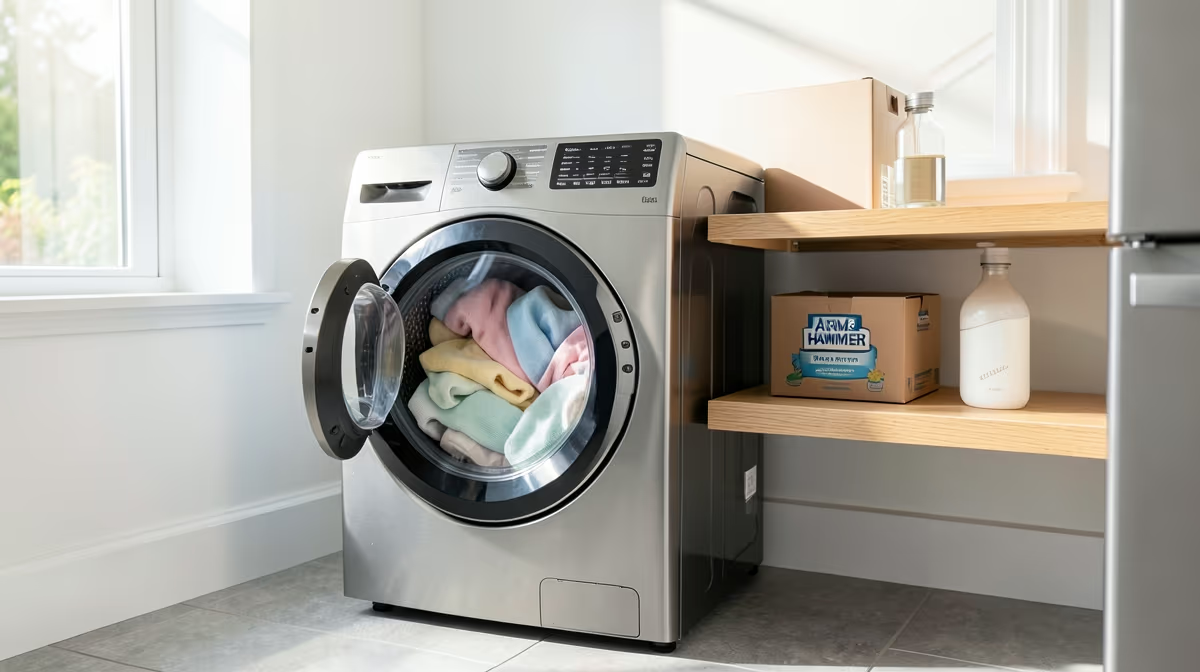
Pulling laundry out of the machine only to find your clothes smell after washing is incredibly frustrating. Instead of smelling clean and fresh, your damp garments might carry a sour, musty, or damp-dog odor. This issue typically happens because of bacteria buildup in your washing machine, excess laundry detergent, or leaving wet garments in the drum too long. Fortunately, you can easily resolve this common laundry issue once you know the exact source of the problem.
To stop laundry odors, clean your washing machine monthly and cut your detergent usage in half.
Common Reasons Your Laundry Smells Sour
Understanding why your clothes smell after washing is the first step toward fixing the issue. The primary culprit is often not the clothing itself, but the environment in which it is cleaned. Modern washing machines, especially high-efficiency front-loaders, are designed to use less water. While this is great for utility bills, it also means that residues from body oils, dirt, and soap do not always wash away completely.
Over time, these residues accumulate in the hidden crevices of your machine, creating a damp, dark breeding ground for mold and bacteria. When you run a load of laundry through a dirty machine, these microorganisms transfer onto your clean clothes, leaving behind a persistent musty smell.
Another common issue is using too much detergent. It is easy to assume that more soap equals cleaner clothes, but the opposite is true. Excess detergent creates a surplus of suds that cannot be rinsed out effectively. Instead of cleaning, these soap suds redeposit onto your garments, trapping dirt and moisture in the fibers and causing them to smell sour once dry.
How to Identify the Type of Odor
Before you can fix the smell, you need to understand what type of odor you are dealing with. Different smells point to different issues in your washing or drying routine.
| Odor Type | Most Likely Cause | Primary Solution | | Soap Scum or Cardboard | Excess detergent or fabric softener buildup in fibers | Wash with baking soda and reduce detergent amount by half | | Sour or Musty | Mildew in the machine gasket or left in drum too long | Run a hot cleaning cycle with vinegar; dry clothes immediately | | Sewage or Rotten Egg | Stagnant water in the drain hose or pump filter | Clean the drain pump filter and inspect the drain hose | | Sweat or Body Odor | Bacteria not fully washed out of synthetic fabrics | Use a sanitizing cycle or add laundry sanitizer to the wash |
Step-by-Step Guide to Cleaning Your Washing Machine
To stop odors at the source, you must clean the machine itself. Follow these steps once a month to keep your washing machine fresh and mold-free.
- Clean the rubber gasket. This is the rubber ring around the door of front-loading machines. Pull back the folds and use a damp microfiber cloth dipped in vinegar to scrub the gasket and remove any slimy black mold or trapped debris.
- Clean the detergent dispenser drawer. Pull the drawer completely out of the machine. Wash it in warm, soapy water to remove any crusty detergent or fabric softener residue, then dry it before putting it back.
- Run a hot sanitizing cycle. Set your empty machine to its hottest water setting or "tub clean" cycle. Add two cups of white vinegar or a commercial washing machine cleaner tablet directly into the drum and run a complete cycle.
- Clean the drain pump filter. Locate the small access door at the bottom front of your front-loading machine. Place a shallow bowl and towel on the floor to catch water, unscrew the filter, and pull it out. Wash away any hair, lint, and slime, then screw it back in securely.
- Dry the machine. After the cycle ends, use a dry towel to wipe down the drum and the inside of the door. Keep the door and dispenser drawer cracked open after every wash to allow for proper air circulation.
Best Practices for Washing and Drying Clothes
Once your machine is clean, adjusting your daily laundry habits will prevent the musty smell from returning.
- Use less laundry soap. For a standard load of laundry, you rarely need more than two tablespoons of high-quality detergent.
- Skip the liquid fabric softener. Softeners work by coating the fibers of your clothes with a thin, water-resistant chemical layer. This layer traps oils and sweat inside the fabric, making them impossible to wash out properly and causing odors to build up.
- Shake out your wet clothes. When transferring items from the washer to the dryer, shake each piece of clothing out. This prevents wet pockets from forming in twisted sleeves or pant legs, ensuring everything dries evenly.
- Clean your dryer lint trap before every cycle. A clogged filter restricts airflow, which extends drying times and can leave your clothes slightly damp and smelling musty.
Never leave damp clothes sitting in your washing machine for more than an hour, as mold and mildew can begin to grow rapidly on wet fibers.
How to Remove Odors Already Trapped in Clothes
If your clothes smell after washing even after you clean the machine, the bacteria may be deeply embedded in the fabric fibers. You will need to strip these odors out using simple household pantry items.
To do this, place the smelly clothes back into your clean washing machine. Instead of using laundry detergent, add one cup of baking soda directly to the wash drum. Run a warm or hot cycle, depending on the clothing care labels.
During the final rinse cycle, pour one cup of white vinegar into the fabric softener compartment. The chemical reaction between the baking soda and the vinegar helps break down the built-up soap residue and kills the odor-causing bacteria trapped in the weave. After the vinegar wash is complete, dry the clothes immediately. If possible, hang them outside in the fresh air and direct sunlight, as natural UV rays are excellent at killing residual mold spores.
When to Seek Professional Repair
If you have thoroughly cleaned your machine, changed your washing habits, and your laundry still smells bad, there may be an underlying mechanical or plumbing issue.
If you smell a strong sewage odor that persists even after cleaning the drain pump filter, your machine's drain hose may be installed incorrectly, causing dirty sink or sewer water to backflow into the drum. Alternatively, if your washing machine does not drain completely at the end of a cycle, a faulty drain pump may be leaving stagnant water in the bottom of the outer tub. In these cases, it is best to contact a professional appliance technician or plumber to inspect your system and prevent potential water damage to your home.
Frequently Asked Questions
Why do my clothes smell musty even after washing?
A musty smell is usually caused by mildew growing inside your washing machine's rubber gasket or drum. It can also happen if damp clothes are left sitting in the closed machine for too long before drying.
Can fabric softener cause laundry to smell bad?
Yes, fabric softener leaves a waxy coating on clothing fibers that traps dirt, sweat, and bacteria over time. This buildup prevents water and detergent from fully cleaning the fabric, leading to sour odors.
How do I get rid of the sour smell in my washing machine?
Run an empty cycle on the hottest setting using two cups of white vinegar or a specialized washing machine cleaner tablet. You should also wipe down the rubber door seal and leave the door open after every wash to let it air dry.
Does vinegar ruin clothes in the washing machine?
White vinegar is safe for most fabrics and is excellent for neutralizing odors and breaking down detergent buildup. However, you should avoid using it in every load as the acidity can eventually degrade delicate synthetic elastics.
How much detergent should I actually use?
For a standard-sized laundry load, you only need one to two tablespoons of high-efficiency detergent. Using more than this creates excess suds that trap soil and redeposit it back onto your clothing.
Conclusion
Laundry that smells sour after washing is a common household nuisance, but it is easy to resolve. By cleaning your washing machine regularly, reducing your use of detergent and fabric softener, and drying your clothes promptly, you can keep your garments smelling fresh and clean. Pay close attention to how you wash and dry your clothes to ensure musty odors do not return.


