
Kitchen deep cleaning mistakes to avoid for a hygienic home
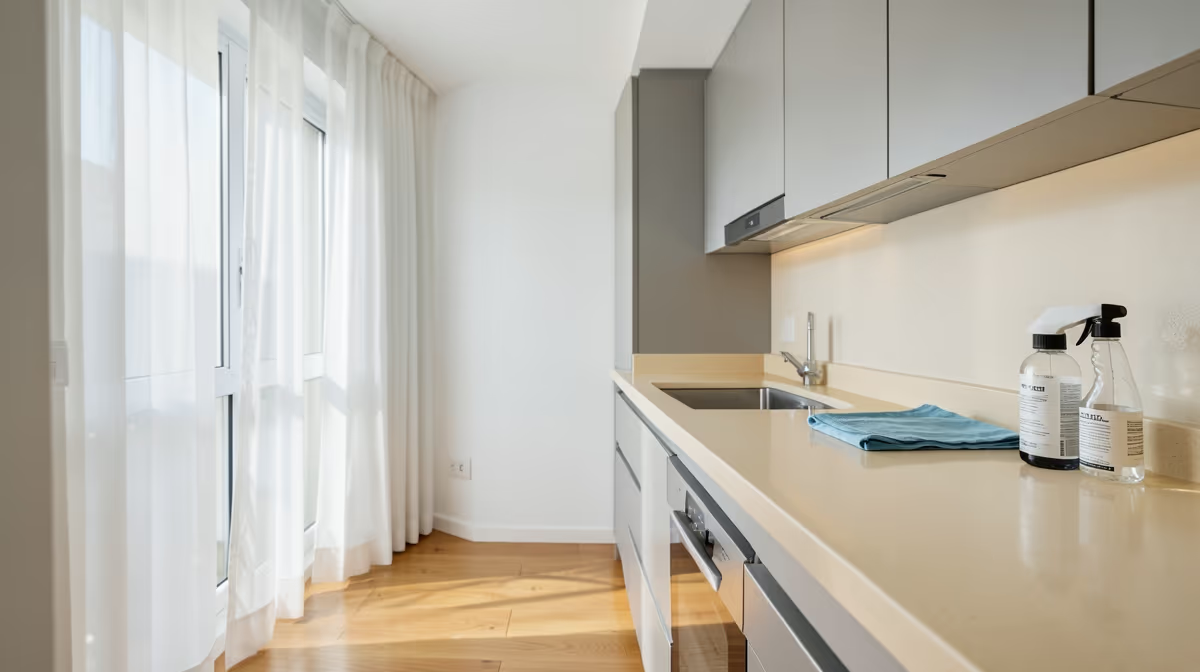
Deep cleaning your kitchen should leave the space sparkling and hygienic, but certain habits can actually damage your surfaces or spread bacteria. Understanding common kitchen deep cleaning mistakes helps you work more efficiently and protect your investment in appliances and countertops. Whether you are tackling a seasonal clean or preparing for a big event, adjusting your technique ensures your efforts pay off.
Success in deep cleaning depends entirely on working from top to bottom, giving cleaning agents time to work, and using the correct tools for each surface.
Starting Without a Clear Plan of Action
Deep cleaning is vastly different from a daily wipe-down. Jumping into the process without a logical plan of action often leads to wasted time, physical fatigue, and missed spots. Taking a moment to organize your supplies prevents common kitchen deep cleaning mistakes and keeps you on track.
One of the most frequent errors is spraying your oven or stovetop with cleaner and immediately trying to scrub it off. Heavy grease and carbon deposits require dwell time to break down chemically. If you do not let the cleaning solution sit for the recommended ten to fifteen minutes, you end up applying unnecessary physical force, which can fatigue your arms and scratch delicate appliance finishes. Start by applying heavy-duty cleaners to the oven, microwave, and cooktop first, then move on to other tasks while those chemicals do the heavy lifting for you.
Cleaning Surfaces in the Wrong Order
Gravity dictates how dust, crumbs, and liquids fall. A common mistake is sweeping and mopping the kitchen floor first, or wiping down the lower countertops before addressing the upper areas of the room.
Always follow the top-to-bottom rule when tackling your kitchen. Dust and grease particles will inevitably settle on lower surfaces as you clean.
If you clean your floors before wiping down the upper cabinets, you will inevitably have to sweep and mop a second time to catch falling debris.
To work efficiently, start by dusting ceiling corners, light fixtures, and the tops of your upper cabinets. Next, clean cabinet doors, backsplashes, and countertops. Finally, wipe down the baseboards and clean the floors last. This systematic approach ensures that you only have to clean each area once.
Using the Wrong Chemical Cleaners on Stone and Wood
Different kitchen surfaces require specialized care. Using generic multi-surface sprays can cause permanent, costly damage to natural stone and wood finishes. For instance, acidic household staples like vinegar, lemon juice, or harsh chemical sprays can strip the protective sealant off granite and marble, leaving the porous stone vulnerable to deep stains.
Similarly, wood cabinets require gentle moisture-controlled cleaning to prevent the wood from swelling or the finish from stripping.
| Surface Material | Safe Cleaning Agents | Avoid Using |
|---|---|---|
| Granite & Marble | Mild dish soap, warm water, specialized stone cleaners | Vinegar, lemon juice, bleach, abrasive scrubs |
| Stainless Steel | Microfiber cloth, specialized steel spray, mild soap | Steel wool, bleach, scrubbing powders |
| Wood Cabinets | Diluted wood cleaner, damp microfiber cloth | Excess water, harsh degreasers, abrasive pads |
Using the incorrect tool can be just as damaging as using the wrong chemical. Avoid using abrasive scouring pads or steel wool on stainless steel appliances, paint, or laminate cabinets, as they will leave permanent micro-scratches that harbor dirt and ruin the finish.
Neglecting Hidden Grease and Grime Buildup
A surface-level clean might make your kitchen look pristine, but a true deep clean requires addressing the hidden areas that collect grease and organic waste over time.
The range hood filter is one of the most frequently overlooked components in the kitchen. When the metal mesh filters become clogged with grease, the exhaust fan cannot draw air effectively, leaving cooking odors and grease particles to settle on your walls and cabinets.
Other hidden areas that require attention include: 1. The rubber gaskets around your refrigerator and dishwasher doors, which can trap moisture and harbor mold. 2. The space beneath and behind your refrigerator, where dust bunnies clog the condenser coils and force the appliance to work harder. 3. The interior walls and base of your trash can, which can harbor bacteria and cause persistent, unexplained odors.
Taking the time to pull out your appliances and scrub these hidden spots prevents mold growth and extends the lifespan of your kitchen equipment.
Forgetting to Clean Your Cleaning Tools
Using dirty sponges, contaminated cloths, or a clogged vacuum cleaner defeats the purpose of deep cleaning. When you use a sponge that has been sitting damp in the sink, you are actively spreading bacteria across food-preparation surfaces, leading to cross-contamination.
Microfiber cloths are excellent for trapping dust and grease, but they must be washed regularly without fabric softener, as softeners coat the fibers and reduce their absorbency. Before you begin your deep clean, ensure you have a clean stack of cloths, a sanitized sponge, and an emptied vacuum canister. This simple preparation step guarantees that you are actually sanitizing your kitchen rather than redistributing dust and microbes.
How Often You Should Deep Clean Your Kitchen
Maintaining a clean kitchen does not require a daily deep clean. While countertops and sinks need daily attention, a thorough, deep clean is best performed every three to six months.
If you cook frequently or have a large family, quarterly deep cleaning keeps grease from baking onto surfaces and prevents pest issues before they start. If you cook less often, a biannual schedule is usually sufficient to keep your appliances running efficiently and your surfaces protected.
Frequently Asked Questions
Why is vinegar bad for some kitchen countertops?
Vinegar is highly acidic, which means it can chemically react with natural stones like marble, granite, and limestone. This reaction causes etching, which dulls the surface finish and leaves permanent cloudy spots that are difficult to repair.
How do you clean a grease-clogged range hood filter?
Soak the metal mesh filter in a sink filled with boiling water, baking soda, and a heavy-duty degreasing dish soap for 10 to 15 minutes. Gently scrub away the loosened grease with a soft-bristled brush, rinse thoroughly, and let it dry completely before reinstalling.
Is bleach safe to use on kitchen cabinets?
Bleach is generally too harsh for kitchen cabinets and can strip away the protective varnish, paint, or stain. Stick to a mild dish soap diluted in warm water or a dedicated wood cleaner to preserve the integrity of the cabinet finish.
What is the correct order to clean kitchen appliances?
Start with appliances that require soaking or automated waiting cycles, such as your oven or dishwasher. While those cycles run, you can clean the microwave, organize the refrigerator interior, and finish with the exterior stovetop surfaces.
Conclusion
Avoiding common kitchen deep cleaning mistakes ensures your kitchen remains a clean, safe space for meal preparation. By planning your approach, choosing surface-safe cleaners, and cleaning from top to bottom, you can protect your kitchen surfaces and maximize your efforts. Consistent, mindful cleaning habits preserve your appliances and keep your home hygienic with minimal frustration.


