
Right size closet organizer selection for small bedrooms
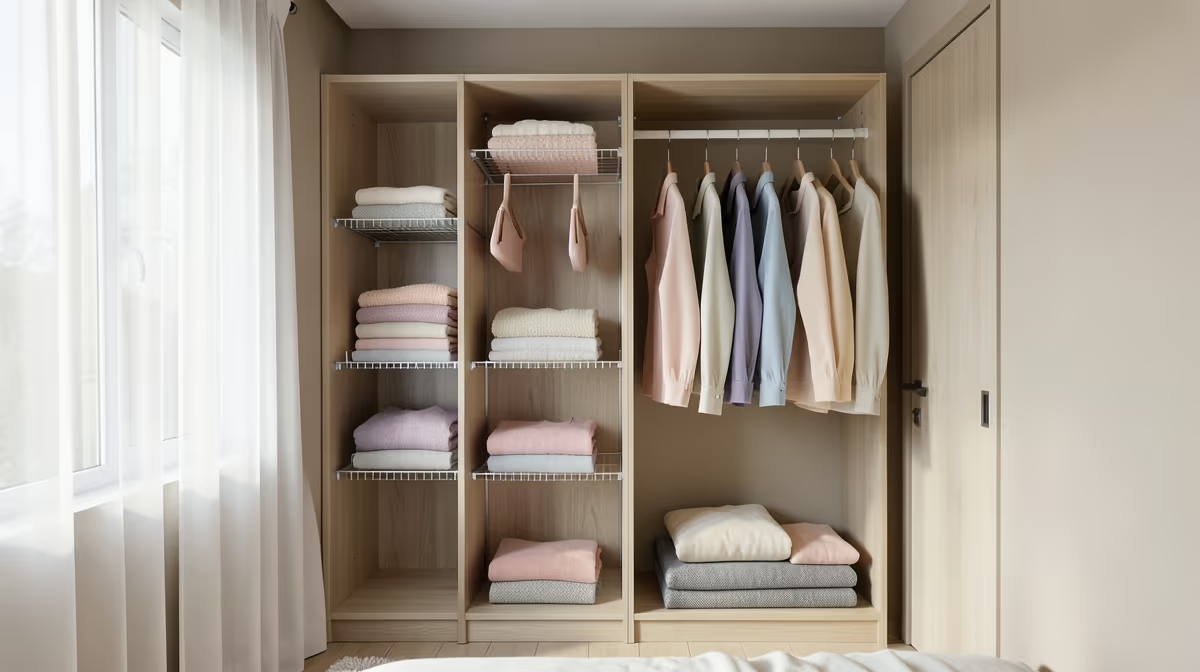
A small bedroom requires strategic space planning, especially when dealing with limited closet square footage. Selecting the right size closet organizer prevents crowded floors and ensures every clothing item has a designated home. When your square footage is premium, a mismatched system can actually make your room feel smaller and less functional by blocking natural pathways or leaving awkward, unused gaps. Choosing the right size closet organizer requires balancing floor footprint with vertical storage. By understanding your closet's dimensions and matching them with the correct modular systems, you can easily turn a cramped wardrobe space into a highly efficient storage hub.
Measure your closet's height, depth, and width twice before purchasing any organizer, leaving at least a two-inch buffer to account for uneven walls and baseboards.
Measure Your Existing Closet Space
To find an organizer that fits perfectly, you need exact numbers. Grab a standard metal tape measure rather than a flexible fabric one, which can sag and give inaccurate readings. Measure the width of the back wall first, then measure the width near the front opening. Walls in small bedrooms are rarely perfectly square, so always use the smallest measurement of the two when shopping.
Next, measure the return walls—the small sections of wall on either side of the door inside the closet. Finally, measure from the floor to the ceiling, and check the depth from the back wall to the front door frame. Use the table below to compare common closet types with their typical dimensions and recommended organizer sizes.
| Closet Type | Average Width | Average Depth | Recommended Organizer Depth |
|---|---|---|---|
| Small Reach-In | 3 to 5 feet | 22 to 24 inches | 12 to 14 inches |
| Shallow Closet | 4 to 6 feet | 18 to 20 inches | 12 inches |
| Small Walk-In | 4 by 4 feet | 48 inches | 14 to 16 inches |
Assess Your Specific Storage Needs
Before looking at product listings, catalog what you actually own. A custom fit depends heavily on your wardrobe. If you mostly wear business casual attire, you will need more hanging rods. If you wear folded knitwear, activewear, and jeans, shelves should be your priority.
Take a quick inventory of your items using this breakdown:
- Long hanging items: Dresses, long coats, and jumpsuits require 60 to 70 inches of vertical hanging space.
- Short hanging items: Shirts, jackets, and folded trousers require 38 to 42 inches of vertical space.
- Folded items: Sweaters and jeans fit best on 12-inch wide shelves spaced about 10 to 12 inches apart.
- Small accessories: Socks, underwear, and jewelry are best suited for drawers or pull-out fabric bins.
By matching the organizer's configuration to your wardrobe before buying, you avoid paying for drawers you do not need or rods that will sit empty.
Select the Best Organizer Depth and Height
Standard closet systems generally come in depths of 12 inches, 14 inches, or 16 inches. In a small bedroom closet, a 12-inch depth is usually the safest choice. It allows your clothes to hang freely without rubbing against the back wall or getting caught in sliding closet doors. A 14-inch depth is excellent for small walk-in closets because it accommodates drawers comfortably without blocking walking paths.
Height is another critical variable. Most modular organizers stand between 72 and 84 inches tall. If you have standard 8-foot ceilings, an 84-inch unit will leave you with exactly one foot of open space at the top. This top area is perfect for storing seasonal items or extra bedding in flat, clear bins. Never buy a unit that reaches all the way to your ceiling unless you have a step stool handy and do not mind a cramped visual aesthetic.
Evaluate Different Organizer Configurations
Small bedroom closets generally fall into two structural categories: reach-in and small walk-in. The configuration you select must align with these shapes to keep the room feeling open.
Modular Tower Systems
Wire vs. Wood Laminate
Common Mistakes to Avoid When Sizing
Avoiding structural oversights will save you from returns and assembly headaches.
Always account for the swing of your closet doors; an organizer drawer that cannot open fully because of a door frame is practically useless.
- Ignoring light switches and outlets: Ensure your tower panels do not block access to wall fixtures.
- Neglecting baseboards: Measure the width of your closet floor at the very bottom, as thick baseboards can reduce your usable floor width by an inch or more.
- Forgetting hanger clearance: Hangers require at least 22 inches of total depth to hang straight. If your closet is shallower than 22 inches, your clothes will brush against the door, regardless of the organizer's size.
Tips for Maximizing Your Chosen Organizer
Once you install the correct size unit, you can implement small design choices to double your storage capacity without changing the physical footprint of the organizer.
- Utilize a double hang configuration: Install two hanging rods, one above the other, to instantly double your hanging space for shirts and folded pants.
- Swap your bulky plastic hangers for ultra-slim velvet hangers: This simple swap can save up to 50 percent of horizontal rod space.
- Maximize vertical space: Mount hooks on empty return walls for belts, bags, or scarves to keep them off shelves and floors.
Frequently Asked Questions
How deep should a closet organizer be for a small bedroom?
For most reach-in closets in small bedrooms, a depth of 12 inches is ideal because it leaves enough room for clothes to hang naturally without crowding the door frame. If you have a deeper reach-in or walk-in closet, a 14-inch depth offers more shelf capacity without blocking walkways.
Can I install a closet organizer myself in a small space?
Yes, most wire and modular wood laminate organizers are designed for straightforward DIY installation. Ensure you secure the main track into wall studs or use heavy-duty toggle bolts for drywall to prevent the system from pulling loose under the weight of your wardrobe.
What should I do if my closet is too shallow for standard hangers?
If your closet depth is under 22 inches, standard hangers will sit sideways and prevent doors from closing. You can resolve this by using a 12-inch shallow organizer combined with pull-out valet rods that face forward, or by replacing solid closet doors with a decorative curtain.
How do I choose between wire and wood organizers for small rooms?
Wire systems are highly adjustable, affordable, and maintain great airflow, which prevents dampness in small closets. Wood laminate systems offer a premium, built-in aesthetic and sturdier shelving, but they are heavier to install and take up slightly more physical space.
Conclusion
Choosing the right size closet organizer for a small bedroom is a simple matter of careful measurement and realistic wardrobe planning. By measuring your width, depth, and height twice, accounting for door swing clearances, and selecting a system depth of 12 to 14 inches, you can easily maximize your storage. Prioritize double hanging rods and vertical storage to make the most of your new, highly functional closet setup.


