
Washing Machine Smells Musty Even After Cleaning: Real Causes & Fixes
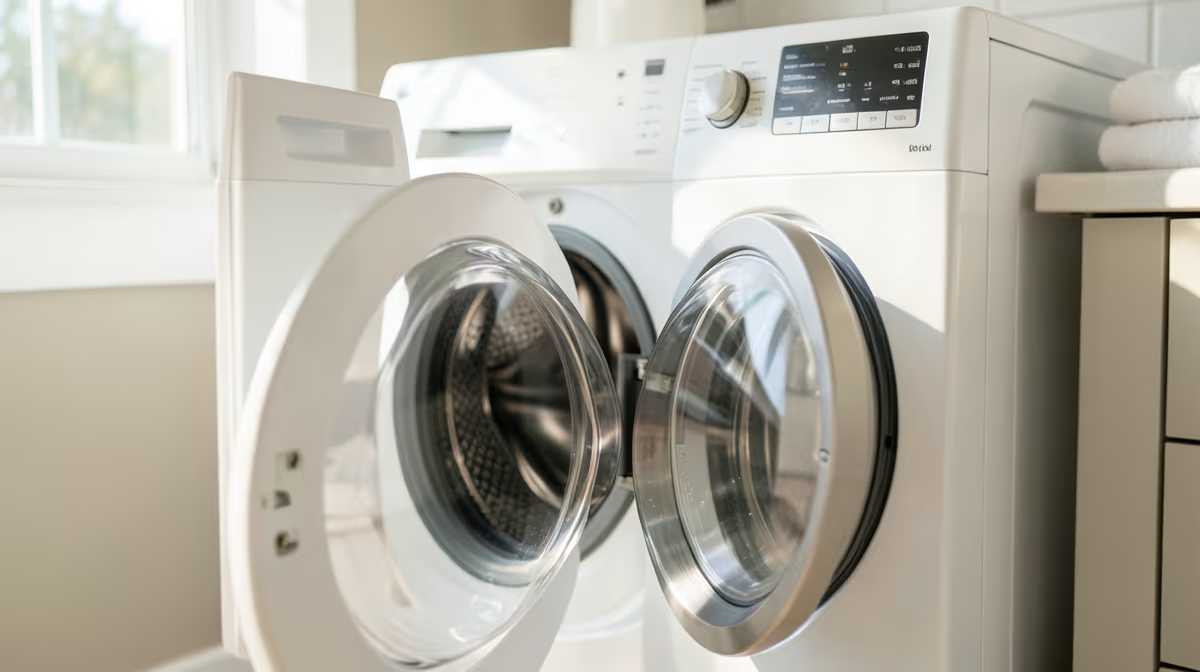
It is incredibly frustrating when your washing machine smells musty even after cleaning, especially when you expect your laundry to come out smelling fresh. You might have run a hot service cycle, poured in cleaning agents, and wiped down the interior, yet that damp, earthy odor remains. This common issue occurs because standard self-cleaning cycles do not reach the deep crevices and hidden components where mold and bacteria thrive.
The musty odor persists because standard cleaning cycles cannot reach hidden mold, detergent scum, and stagnant water trapped in the door seal, detergent drawer, and drain pump filter.
Hidden Spots Where Musty Odors Hide
If you have already run a cleaning cycle with vinegar, baking soda, or commercial washing machine cleaners and the odor persists, the source of the smell is likely tucked away in an area that the cleaning water cannot reach. Washing machines are full of dark, damp, and sealed environments that are perfect breeding grounds for mildew and mold.
The first and most common culprit is the rubber door gasket, particularly in front-loading machines. This flexible ring seals the door to prevent leaks, but its deep folds easily trap moisture, hair, lint, and residual detergent. Over time, this stagnant mixture develops into a black mold buildup that is shielded from the rushing water of a normal cleaning cycle.
Another overlooked area is the detergent dispenser drawer. Soap residue and liquid fabric softener frequently build up in the tracks and on the underside of the drawer housing. Because this drawer remains closed and damp between loads, it quickly turns into a mold nursery.
Finally, the drain pump filter at the bottom of your machine collects debris to protect the pump. When coins, lint, hair, and small items get caught here, they slow down water drainage. The stagnant water left behind in the filter housing begins to rot, creating a sewer-like odor. This hidden buildup is the primary reason why your washing machine smells musty even after cleaning the main drum.
Step-by-Step Guide to Deep Cleaning the Hidden Areas
To eradicate the smell once and for all, you must manually clean the areas that automated cycles miss. Follow these steps to clean each key component.
1. Scrub the Door Gasket
Mix a solution of one cup of warm water and one cup of white vinegar, or use a mild bleach spray if you see heavy black spotting. Pull back the folds of the rubber gasket and wipe them down thoroughly with a microfiber cloth. Use a soft-bristled toothbrush to scrub away stubborn mold spots from the small drain holes at the bottom of the seal. Wipe the entire gasket dry with a clean towel when finished.
2. Deep Clean the Detergent Drawer
Most washing machines have a release tab inside the detergent drawer. Press this tab to slide the drawer completely out of the machine. Submerge the drawer in warm, soapy water and scrub away all slimy residue and crusty soap buildup. Before replacing the drawer, use a damp cloth or toothbrush to clean the ceiling and sides of the empty compartment where the drawer slides in, as mold often clings to the upper spray jets.
3. Clear the Drain Pump Filter
Locate the small access panel on the bottom front of your washing machine. Place a shallow tray and an old towel on the floor underneath the panel to catch any escaping water.
Always unplug your washing machine and turn off its water supply before cleaning the drain pump filter to prevent accidental water spills.
Slowly unscrew the filter cap. A small amount of standing, highly odorous water will drain out. Pull the filter completely out, clear away any trapped lint or hair, rinse it thoroughly under warm running water, and wipe out the chamber before screwing the filter back in tightly.
The Role of Biofilm and Soap Scum
Many homeowners do not realize that modern laundry habits contribute directly to persistent machine odors. When you use cold water cycles exclusively, detergents and fabric softeners do not dissolve completely. Instead, they leave behind a greasy layer of soap scum on the outer walls of the inner wash drum, which is invisible from the inside.
This soap scum layer combines with body oils, skin cells, and dirt from your clothing to form a sticky substance called biofilm. Biofilm acts as a protective shield and food source for bacteria and fungi. Standard washing machine cleaners often fail to penetrate thick biofilm layers, allowing the musty smell to return just hours after a cleaning cycle finishes.
| Cleaning Agent | Primary Target | How It Works |
|---|---|---|
| White Vinegar | Mineral buildup and mild odors | Dissolves calcium deposits and neutralizes alkaline smells |
| Chlorine Bleach | Mold, mildew, and bacteria | Sanitizes surfaces and kills active fungal spores |
| Baking Soda | Odor absorption and light scrubbing | Neutralizes acidic odors and acts as a gentle abrasive |
Simple Habits to Prevent Future Odor Buildup
Once you have eliminated the hidden sources of mold, adjusting your daily laundry routine will keep the musty smell from returning.
- Leave the door or lid open: Keep the washing machine door slightly ajar after every single cycle. This allows air to circulate and dries out the drum, preventing mold from taking root.
- Keep the detergent drawer open: Pull the dispenser drawer out slightly after you finish your laundry for the day so the water inside can evaporate.
- Use the correct detergent: Always use high-efficiency detergent in front-loading machines, and never exceed the manufacturer's recommended amount. Excess suds turn directly into smelly biofilm.
- Run a monthly maintenance wash: Once a month, run an empty hot cycle (at least 140 degrees Fahrenheit) with a dedicated washing machine cleaner or a cup of bleach to break down early biofilm buildup before it hardens.
When to Inspect Your Drain Hose and Plumbing
If you have meticulously cleaned the gasket, drawer, filter, and drum, but a sour or musty smell still lingers, the problem may lie in your household plumbing rather than the appliance itself.
A kinked or crimped drain hose can trap water inside the line, causing it to flow backward into the machine pump after a cycle completes. Additionally, if the drain hose is inserted too far down into the standpipe, it can create a siphoning effect that pulls dirty drain water back into the drum.
Ensure your drain hose is properly installed with a U-bend or hook, and verify that the standpipe has a functional P-trap to prevent sewer gases from rising back up through the washing machine drain lines.
Frequently Asked Questions
Why does my front-load washer smell worse than a top-load washer?
Front-loading washers use airtight rubber seals around the door to prevent leaks, which trap high levels of moisture inside the machine when closed. Top-loading machines do not have airtight doors, allowing moisture to escape more easily between cycles.
Can I use vinegar and bleach together to clean the machine?
No, you must never mix vinegar and bleach under any circumstances. Combining these two common household cleaning agents creates toxic chlorine gas, which is highly dangerous to inhale.
How often should I clean the drain pump filter?
You should inspect and clean your drain pump filter once every one to three months, depending on how often you run laundry. Frequent washing of muddy clothes, pet bedding, or heavily soiled items means you should clean the filter more often.
Why does my laundry smell musty even after washing?
If your clothes smell damp and earthy immediately after a wash, they are absorbing the mold spores and bacteria thriving inside your machine's hidden components. Cleaning the rubber gasket and running a hot maintenance cycle will resolve this.
Conclusion
A musty washing machine odor that persists after a cleaning cycle is almost always caused by mold and stagnant water hidden in areas that automated washes cannot reach. By manually cleaning the rubber door seal, scrubbing the detergent drawer housing, and emptying the drain pump filter, you can completely eliminate the sour smells. Adopting simple habits like leaving the door open between loads and using the correct amount of detergent will keep your washing machine and your laundry smelling fresh for the long term.


