
You must never mix bleach and vinegar for home cleaning
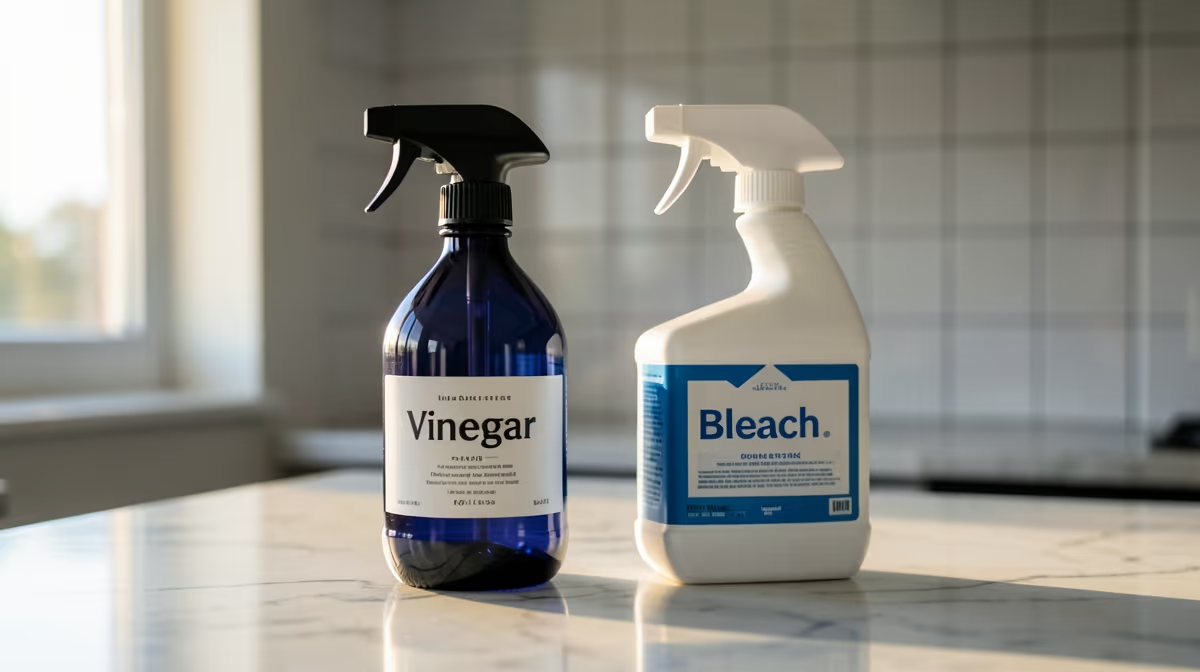
You should never mix bleach and vinegar for any cleaning task. While both are highly effective household cleaners on their own, combining them triggers a dangerous chemical reaction. This reaction produces toxic chlorine gas, which can damage your respiratory system, eyes, and skin almost instantly. Even small amounts can cause immediate physical harm, making it critical to keep these two products completely separate.
Mixing chlorine bleach with distilled white vinegar creates lethal chlorine gas; always use these cleaning agents separately and rinse surfaces thoroughly between uses.
The Science Behind the Danger
To understand why mixing these household staples is so hazardous, it helps to look at the basic chemistry of both liquids. Liquid household bleach contains sodium hypochlorite, which is a strong alkaline compound. Distilled white vinegar, on the other hand, consists of water and acetic acid, which makes it highly acidic.
When you combine an acid with sodium hypochlorite, the acid lowers the pH of the bleach. This chemical shift converts the sodium hypochlorite into hypochlorous acid. Once hypochlorous acid is formed, it rapidly reacts with the remaining acid to release toxic chlorine gas into the air.
Chlorine gas is a dense, yellow-green gas that is heavier than air. In a domestic setting, the gas will quickly pool in low-lying areas, poorly ventilated bathrooms, or small laundry rooms. Because it is highly reactive, it immediately attacks moisture on your skin, in your eyes, and inside your lungs, forming corrosive acids upon contact with your bodily fluids.
Health Risks of Chlorine Gas Exposure
The physical symptoms of inhaling chlorine gas can start within seconds of exposure. Even a single whiff of the mixture can cause immediate distress, and the severity of the symptoms depends entirely on how much gas was produced and how long you were exposed to it.
Inhalation of low levels of chlorine gas typically causes the following immediate symptoms:
- Burning sensations in the nose, throat, and mouth
- Involuntary coughing and throat irritation
- Watery, red, and stinging eyes
- Mild shortness of breath or a runny nose
If the concentration of the gas is high, or if you are trapped in a small space like a shower stall, the symptoms can quickly escalate to severe health emergencies:
- Intense chest tightness and wheezing
- Severe difficulty breathing or gasping for air
- Vomiting and nausea
- Blue-colored lips or skin, indicating a lack of oxygen
- Chemical burns on moist areas of the skin and eyes
Prolonged exposure to high concentrations of chlorine gas can cause fluid to build up in your lungs, a serious medical condition known as pulmonary edema. This condition can develop several hours after the initial exposure and requires immediate emergency medical intervention.
Immediate Steps to Take If Mixed Accidentally
Accidents happen, especially when you are in a rush to clean. If you accidentally mix these two ingredients together in a bucket, spray bottle, or toilet bowl, you must act quickly to protect yourself and your family.
If you accidentally breathe in fumes, prioritize getting to fresh air immediately before trying to open windows or dilute the mixture.
Follow these sequential steps if you suspect you have created chlorine gas:
- Evacuate the area immediately. Leave the room, cabin, or house, and make sure all family members and pets come with you.
- Do not stop to clean up the spill or pour the mixture down the drain, as this will only increase your exposure time.
- Once you are in a safe, open-air environment, assess how you feel. If you are coughing severely, struggling to breathe, or experiencing chest pain, call emergency services right away.
- If your symptoms are mild but you still feel irritated, contact your local poison control center for professional medical advice.
- Only return to the area once the fumes have completely dissipated. If possible, open exterior windows and doors from the outside to help ventilate the space.
How to Use Bleach and Vinegar Safely
Both bleach and vinegar are incredibly useful tools for home maintenance, but they must be used at different times and for different purposes. To keep your home clean without compromising your safety, you should never mix bleach and vinegar in the same bucket or spray bottle.
If you plan to use both products to clean a single area, such as a dirty bathtub, always follow this safety protocol:
- Scrub the surface with one cleaner first, such as vinegar to remove hard water stains.
- Rinse the entire surface thoroughly with clean water, ensuring all traces of the first cleaner are washed down the drain.
- Wipe the surface dry or let it air dry completely.
- Apply the second cleaner, such as bleach to disinfect and kill mold.
Understanding which product to use for specific cleaning tasks can help you avoid unnecessary mixing altogether.
| Cleaning Agent | Best Used For | Avoid Using On |
|---|---|---|
| Chlorine Bleach | Sanitizing surfaces, killing mold spores, whitening white cotton laundry fabrics | Granite, marble, natural stone, stainless steel, finished wood |
| White Vinegar | Removing mineral deposits, cutting through soap scum, deodorizing drains, cleaning glass | Grout, natural stone, hardwood floors, cast iron cookware |
Other Dangerous Cleaning Combinations to Avoid
Bleach is a highly reactive chemical that does not play well with many other common household items. To maintain a safe home, you should be aware of other hazardous combinations that are just as dangerous as mixing acid and bleach.
Bleach and Ammonia
Combining chlorine bleach with ammonia-based cleaners (such as some window cleaners, floor cleaners, or multi-surface sprays) produces toxic chloramine gas. Inhaling chloramine gas causes shortness of breath, chest pain, and severe irritation to the respiratory tract.
Bleach and Rubbing Alcohol
Mixing bleach with isopropyl alcohol or rubbing alcohol creates chloroform and hydrochloric acid. Chloroform can cause dizziness, headaches, and loss of consciousness, while also carrying long-term toxic risks to your internal organs.
Hydrogen Peroxide and Vinegar
While not involving bleach, combining hydrogen peroxide and white vinegar in a single container creates peracetic acid. This compound is highly corrosive and can irritate or burn your skin, eyes, and respiratory system.
Frequently Asked Questions
What happens if you mix bleach and vinegar?
Mixing bleach and vinegar triggers a chemical reaction that releases toxic chlorine gas. This gas is highly irritating to your respiratory tract, eyes, and skin, and can cause serious physical harm even in small amounts.
How long does chlorine gas stay in the air after mixing bleach and vinegar?
The duration depends on the ventilation of the room and the volume of the mixture. In a poorly ventilated space, dangerous fumes can linger for several hours, which is why you must open windows and stay out of the room until the smell is completely gone.
Is it ever safe to mix bleach and vinegar in small amounts?
No, it is never safe to mix bleach and vinegar in any quantity. Even a small reaction in a toilet bowl or sink can produce enough localized chlorine gas to cause immediate breathing difficulties and throat irritation.
Can I use bleach and vinegar at the same time in the washing machine?
You should never use bleach and vinegar together in the same wash cycle. Mixing them in the drum will release toxic fumes into your laundry room and potentially damage the rubber seals and metal components of your washing machine.
Conclusion
Mixing bleach and vinegar is a dangerous cleaning mistake that produces toxic chlorine gas. To keep your household safe, always use these two powerful cleaners independently, and thoroughly rinse surfaces with water between applications if you must use both. By understanding the chemistry behind these common products, you can maintain a clean, fresh home without exposing yourself or your family to unnecessary chemical hazards.


