
Organize a small pantry on a budget with these simple storage steps
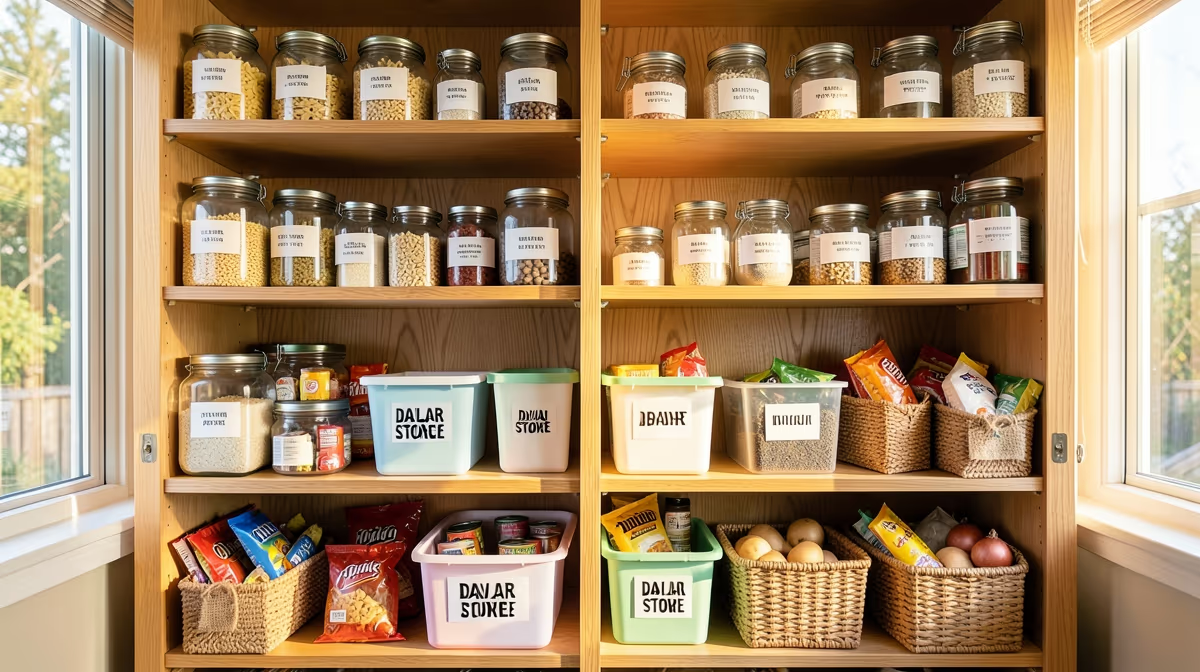
An overflowing kitchen cabinet can make meal preparation stressful, but you do not need an expensive custom closet system to fix it. You can easily organize a small pantry on a budget using simple sorting techniques and affordable everyday items. By focusing on smart space utilization and clear categorization, you will transform your chaotic shelves into a functional, highly efficient storage zone without spending a fortune.
The secret to budget pantry organization is maximizing vertical space and using uniform, affordable containers to group similar items together.
Assess and Empty Your Current Space
Before purchasing any bins or rearranging items, you must know exactly what you are working with. Emptying your pantry completely is the only way to get an accurate inventory.
- Take everything out: Place all items on your kitchen counter or table.
- Clean the shelves: Wipe down the empty shelves with a damp cloth and mild soap to remove dust, crumbs, and sticky spills.
- Check expiration dates: Throw away expired food and donate unexpired items you know your household will not eat.
- Group like items together: Cluster baking goods, canned items, snacks, pasta, and spices into distinct categories on your counter.
Choose Low-Cost Storage Solutions
You do not need high-end designer containers to achieve a clean look. Look around your home first, then check local discount stores to find affordable storage alternatives.
Upcycled Household Items
Save clean pasta sauce jars, pickle jars, and jam containers. Soak off the labels and use them to store grains, beans, and baking supplies. Wrap empty cardboard shoe boxes in leftover wrapping paper or adhesive contact paper to create sturdy, free organizer bins.
Budget Store Finds
Dollar stores offer inexpensive plastic baskets in uniform colors. Use these to corral loose bags of snacks, spice packets, or seasoning mixes. You can also place a small, cheap tension rod across a shelf to hold spice bottles or pot lids in place.
Smart Layout Strategies for Small Pantries
How you arrange your items determines how long your pantry stays organized. A logical flow prevents you from losing items in the back of deep shelves.
| Shelf Level | Best Items to Store | Why This Works |
|---|---|---|
| Top Shelves | Lightweight items, paper goods, bulk refills | Keeps rarely used or light items out of the primary line of sight |
| Eye-Level Shelves | Daily essentials, breakfast cereals, school snacks | Easy to reach quickly during busy mornings |
| Bottom Shelves | Heavy items, root vegetables, pet food, appliances | Prevents heavy items from falling and keeps floor space clean |
| Door Space | Spices, foil rolls, small condiment bottles | Utilizes unused vertical space efficiently |
Maximize Your Vertical and Door Space
Small pantries lack depth, so you must use all available height and door surfaces. This is the most common area where vertical space goes to waste.
One of the most effective ways to double your shelf capacity is using wire shelf risers. These allow you to stack cans or bowls safely without losing access to the bottom items.
Utilizing the inside of your pantry door with an inexpensive over-the-door shoe organizer instantly creates dozens of small pockets perfect for storing spices, snacks, and seasoning packets.
You can also screw small cup hooks into the undersides of shelves to hang coffee mugs, measuring cups, or lightweight reusable grocery bags.
Label Everything to Maintain the System
An organized pantry only works if everyone in your household knows where items belong. Labeling is the best way to ensure things get put back in the correct spot.
You do not need an expensive label maker. A roll of painter's tape or masking tape and a black permanent marker work perfectly. For glass jars, write directly on the glass with a white chalk marker, which easily wipes off with a damp cloth when you change the contents. Labeling the actual shelf edge or the front of plastic baskets prevents empty spaces from being filled with random, misplaced groceries.
Common Pitfalls to Avoid
When trying to organize a small pantry on a budget, it is easy to make mistakes that lead back to clutter within a few weeks.
- Buying containers before measuring: Always measure your shelf depth, height, and width before shopping for baskets to avoid returns.
- Decanting absolutely everything: While transferring flour and sugar to airtight jars keeps them fresh, decanting every single box of crackers or cereal wastes time and money.
- Keeping too many bulk items: If you have a very small pantry, avoid buying bulk-size packages unless you have a secondary storage spot like a garage or basement.
- Overcomplicating the system: Keep categories broad rather than creating hyper-specific zones that are hard to maintain.
Frequently Asked Questions
How do I organize a deep pantry shelf?
To organize deep pantry shelves, place less frequently used items at the back and everyday essentials in the front. You can also use long, clear plastic bins that act like drawers, allowing you to pull the entire bin out to access items in the rear.
What is the cheapest way to store pantry items?
The cheapest storage method is to upcycle containers you already own, such as glass pasta sauce jars and clean cardboard shoe boxes. Grouping items together in simple categories on your shelves also costs nothing and immediately improves organization.
Should I take food out of its original packaging?
You should only decant foods that spoil quickly once opened, like flour, sugar, and cereal, into airtight containers. For most snacks and pre-packaged goods, keeping them in their original boxes inside labeled baskets is more practical and saves time.
How do I keep my small pantry organized long-term?
Maintain your organized pantry by doing a quick five-minute tidy-up every week before you go grocery shopping. Clearly labeled shelves and bins also help everyone in your home return items to their correct places.
Conclusion
Organizing a small pantry on a tight budget is entirely achievable with a bit of planning and resourcefulness. By emptying your space, utilizing cheap upcycled containers, maximizing your door space, and adding simple labels, you can create an efficient storage system that lasts. Focus on functionality over aesthetics to keep your kitchen running smoothly every day.


