
Remove Moisture from a Cupboard with These Simple, Effective Steps
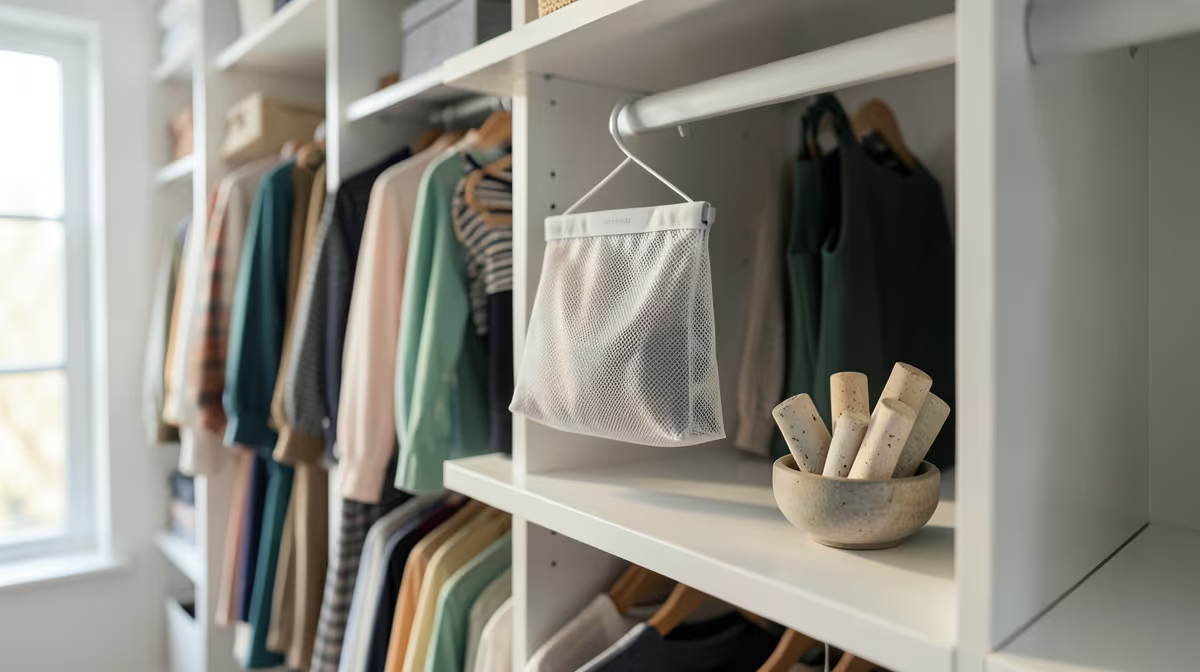
Musty smells and damp clothes are clear indicators that you need to remove moisture from a cupboard before mold ruins your belongings. Enclosed storage spaces naturally trap humid air, creating a breeding ground for mildew and musty odors. Fortunately, you can easily restore a dry, fresh environment inside your cabinets with a few straightforward adjustments.
Keeping cupboards dry requires a combination of immediate moisture-absorbing materials, proper ventilation, and regular cleaning habits.
Why Moisture Accumulates in Cupboards
Cupboards are uniquely susceptible to dampness due to their design and placement in the home. Because they remain closed for most of the day, there is very little air movement inside. Without circulation, any humidity that enters the space becomes trapped.
Another common cause is thermal bridging. When a wardrobe or cabinet is pushed flush against a cold external wall, the temperature difference between the warm room air and the cold wall creates condensation inside the unit. This moisture settles on the back panels and quickly seeps into clothes or wooden shelves. Additionally, storing items that are not completely dry—such as freshly laundered clothes that are still warm from the dryer or damp winter coats—releases water vapor into the sealed environment, raising the internal relative humidity level.
Immediate Steps to Dry Out a Damp Cupboard
If you notice dampness, you must act quickly to prevent wood rot and mold growth. Follow these sequential steps to dry out your cupboard completely:
- Empty the entire space: Remove all clothing, linens, shoes, and boxes. Inspect every item for damp patches or mold spores. Any affected fabrics must be washed at high temperatures, and non-fabric items should be wiped down with a disinfectant.
- Clean the interior surfaces: Mix equal parts warm water and white vinegar in a spray bottle. Mist the walls, shelves, and corners of the empty cabinet, then wipe them down with a microfiber cloth. Vinegar naturally kills mold spores and neutralizes musty odors without damaging wood.
- Introduce active airflow: Position an electric fan or a dehumidifier directly in front of the open cupboard doors. Run it for several hours to circulate dry air into the deepest corners of the cabinet.
- Allow time to air out: Leave the cupboard doors wide open for at least 24 to 48 hours before putting anything back inside. This ensures that any deep moisture trapped within the wood fibers has evaporated completely.
High-Efficiency Moisture Absorbers Compared
Using passive dehumidifying agents is one of the most effective ways to maintain a dry environment once you have cleared the initial dampness. Different materials work best depending on the size of your cabinet and the severity of the moisture problem.
| Absorber Type | How It Works | Lifespan | Best Used For |
|---|---|---|---|
| Baking Soda | Absorbs light moisture and neutralizes odors | 1 to 2 months | Small drawers, shelves, and tight corners |
| Silica Gel Packets | Chemically traps water molecules in pores | Reusable after heating | Shoeboxes, document storage, and jewelry boxes |
| Calcium Chloride | Pulls heavy moisture from air into liquid storage | 1 to 3 months | Large wardrobes and walk-in closets |
| Activated Charcoal | Absorbs moisture and traps odor particles | Up to 1 year | Wardrobes with stubborn musty smells |
To use baking soda, simply fill a small bowl or an open jar and place it on a shelf. For calcium chloride products, which are commonly sold as hanging bags or plastic tubs, place them in a spot where they cannot be easily knocked over.
Always ensure that any chemical desiccant is placed on a stable surface out of reach of children and pets, as the collected liquid can be highly irritating to the skin.
Structural Adjustments to Improve Airflow
Sometimes, the physical setup of your room is the primary driver of cupboard humidity. Making minor structural adjustments can permanently solve your moisture issues.
Start by pulling your cupboards and wardrobes at least two inches away from external walls. This gap allows room air to circulate behind the furniture, preventing the cold-wall condensation cycle. If your cupboard has solid wood shelves, consider replacing them with wire racking or slatted wooden shelves. Solid shelves block vertical air movement, while slatted options allow air to flow freely throughout the entire unit.
If you are dealing with a built-in wardrobe, you might want to install small plastic louvers or vents in the doors. Cutting a small ventilation hole at the top and bottom of the doors encourages passive air exchange, keeping the interior temperature consistent with the rest of the room.
Daily Habits that Prevent Wardrobe Humidity
Preventing moisture accumulation is far easier than treating a mold outbreak. Developing a few simple household habits will keep your storage spaces dry year-round.
First, never put clothes away if they are even slightly damp. This includes gym wear that is damp with sweat, coats caught in light rain, and freshly washed laundry. Even clothes fresh from a tumble dryer can contain residual steam; allow them to cool down completely on a drying rack before folding or hanging them.
Second, avoid packing your wardrobes too tightly. When clothes are squeezed together, air cannot move between them, which traps pockets of humid air. Keep a small gap between clothes hangers to promote natural ventilation. Finally, make it a habit to leave your cupboard doors open for an hour or two whenever you clean the room or run a household fan.
Identifying Serious Structural Damp Issues
While simple home remedies work for ambient humidity, some moisture problems stem from structural issues that require more intensive repair. If your cupboard continues to feel damp despite using absorbers and improving airflow, look closely at the walls and floor surrounding the unit.
Check for water stains, peeling paint, or crumbling plaster on the wall behind the cupboard. This often points to an external wall leak, a leaking pipe hidden within the drywall, or rising damp from the ground floor. If you live in an apartment, it could also indicate a leak from a neighbor's property above. In these situations, household desiccants will only offer temporary relief, and you must address the underlying plumbing or masonry issue to protect your home.
Frequently Asked Questions
Can I use chalk to absorb moisture in a wardrobe?
Yes, school chalk is highly porous and naturally absorbs ambient moisture. You can tie a bundle of chalk sticks together with string and hang them from your wardrobe rail to help keep the air dry.
How long does it take to dry out a damp cupboard?
It typically takes 24 to 48 hours to dry out a cupboard completely using fans and open ventilation. If the wood has absorbed significant moisture, it may take longer before it is safe to restock.
Why does my cupboard smell musty even when it looks dry?
Musty odors are caused by microscopic mold spores that thrive in fabrics and wood pores. Even if the surfaces look dry, you may need to wipe down the interior with white vinegar to kill the hidden spores.
Is baking soda or vinegar better for damp cupboards?
Both serve different purposes in resolving dampness. Vinegar is best for cleaning surfaces to kill mold and remove odors, while baking soda is best kept in an open container to absorb daily ambient moisture.
Conclusion
Keeping your storage spaces dry requires simple, proactive maintenance. By clearing out dampness, utilizing natural moisture absorbers, and ensuring proper airflow around your furniture, you can easily protect your clothes and linens from mold damage. Maintaining these habits ensures your cupboards remain fresh and dry throughout every season.


