
Signs of a Pest Infestation You Can Spot Before Seeing Bugs
Pests are experts at staying out of sight, often building nests behind your walls or under your floors long before they ever cross your path in broad daylight. Recognizing the early signs of a pest infestation can save you from costly repairs and stressful cleanups. By training your eyes and ears to detect the subtle clues pests leave behind, you can address the problem before it grows into a full-blown emergency. Here is exactly how to spot a pest problem when the invaders themselves are still hiding.
The most reliable indicators of hidden pests are physical damage to your home's structure, unusual sounds at night, and localized nesting materials in quiet corners.
Unusual Sounds in the Quiet Hours
When the house quietens down at night, you might start hearing things that go unnoticed during the busy daytime hours. Many common household pests are nocturnal and active only when they feel safe from human presence.
If you listen closely, you might hear faint scratching, scurrying, or tapping sounds coming from inside the walls, above the ceiling, or under the floorboards. Mice and rats are known for making light scratching noises as they travel along their runways or gnaw through materials.
Insect pests can also make noise. A heavy termite infestation can sometimes produce a soft clicking sound inside your walls. This happens when soldier termites bang their heads against the wood to signal danger to the colony. If you hear persistent, unusual noises in the same area of your home night after night, it is a strong indicator that something is living behind the drywall.
Physical Damage to Wood, Wires, and Fabrics
Pests must chew, tunnel, and build to survive, and this activity leaves clear physical marks on your property. Inspecting your home for minor structural damage can reveal a problem long before you see the culprits.
- Gnaw marks: Rodents have teeth that never stop growing, which forces them to constantly chew on hard surfaces. Look for small teeth marks on wooden baseboards, plastic pipes, food packaging, and the edges of cabinets.
- Damaged wiring: Chewed electrical wires are a major fire hazard and a classic sign of mice or rats. If your lights flicker or an appliance suddenly stops working, check the accessible wiring for frayed protective coating.
- Holes in textiles: Clothes moths, carpet beetles, and silverfish feed on organic fibers. If you find mysterious holes in your wool sweaters, silk curtains, or cotton carpets, you likely have an active insect population hiding in your closets.
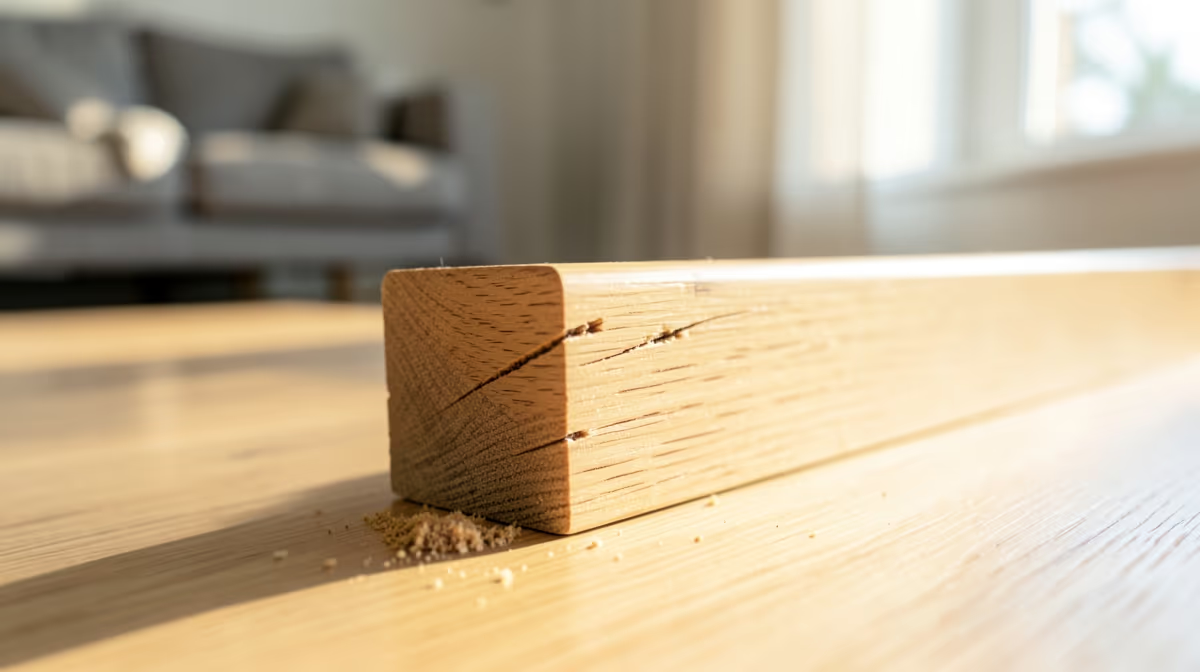
- Wood damage: Termites and carpenter ants hollow out wood from the inside. If you tap on a wooden beam or baseboard and it sounds hollow, or if the wood easily crumbles under light pressure, wood-destroying pests are likely at work. Termites also leave behind frass, which looks like tiny, pellet-like sawdust piles near wooden structures.
Discarded Materials and Nesting Clues
As pests move through your home, they shed body parts, discard waste, and gather materials to build their homes. Finding these remnants is a clear sign that you are sharing your living space with unwanted guests.
Look for shredded paper, cardboard, dried leaves, and insulation tucked into dark, quiet corners. Rodents gather these soft materials to build warm nests for their young. You are most likely to find these nests in attics, basements, crawl spaces, and behind large kitchen appliances.
Inspect the dark, undisturbed corners of your attic, basement, and pantry every three months to catch nesting materials early.
Insects also leave physical clues behind as they grow. Bed bugs and cockroaches shed their outer skins as they mature, leaving behind translucent, amber-colored casings. Termites shed their wings after finding a mate, so finding piles of small, paper-like wings on window sills or near entry points is a sure sign of a nearby colony.
Strange Odors and Smells That Linger
Your nose can often detect a pest problem before your eyes do. Pests carry distinct scents, leave behind waste, and sometimes die in hard-to-reach places, creating unique odors that do not dissipate with normal cleaning.
A musty, oily smell that lingers in dark corners often points to a cockroach problem. Cockroaches produce a distinct pheromone that smells like stale oil or wet cardboard. A sharp, ammonia-like scent, on the other hand, usually indicates rodent urine. This smell is typically strongest near nesting sites or along the walls where mice and rats travel.
Bed bugs have a reputation for producing a sweet, musty odor that some describe as resembling rotting raspberries or coriander. If you notice a sudden, inexplicable scent in your bedroom that does not go away after washing your bedding, it warrants a closer inspection of your mattress seams and headboard.
Pest Signs by Location and Type
To help you identify which pest you might be dealing with, look for these specific signs of a pest infestation in different areas of your home.
| Pest Type | Hidden Sign | Common Location |
|---|---|---|
| Rodents | Gnaw marks, shredded paper, ammonia smell | Attics, crawl spaces, behind appliances |
| Termites | Mud tubes, hollow-sounding wood, discarded wings | Baseboards, foundations, crawl spaces |
| Cockroaches | Small black pepper-like droppings, musty odor | Under sinks, behind cabinets, pantry corners |
| Bed Bugs | Tiny rust-colored spots, sweet musty scent | Mattress seams, baseboard cracks, headboards |
By regularly checking these high-risk areas, you can catch pests before they multiply. Focus your inspection on warm, dark areas with easy access to moisture and food.
When to Call a Professional
Some minor pest issues can be managed with basic home maintenance, such as sealing gaps around pipes, keeping food in airtight containers, and reducing clutter. However, certain signs point to an established colony that requires professional intervention.
If you discover structural damage, such as hollowed-out wooden beams or mud tubes climbing up your foundation, you should contact a licensed exterminator immediately. Termites and carpenter ants can cause severe structural damage in a short amount of time, and DIY treatments rarely reach the heart of the colony.
Additionally, if you smell strong, persistent odors or hear scurrying noises in multiple rooms, the infestation has likely spread beyond a single nest. Professional pest control technicians have the specialized tools and knowledge needed to locate the source of the infestation, eliminate it safely, and prevent the pests from returning to your home.
Frequently Asked Questions
What do termite mud tubes look like?
Termite mud tubes look like thin, wavy pencils made of dried dirt or clay running vertically up your home's foundation, basement walls, or wooden posts. Termites construct these tubes to protect themselves from dry air and predators as they travel between their underground colony and the wood in your home.
How can I tell the difference between mouse droppings and insect droppings?
Mouse droppings are roughly the size of a grain of rice, dark brown or black, and tapered at the ends. Insect droppings, such as those from cockroaches, are much smaller, resembling ground black pepper or coffee grounds, and are typically found clustered in dark corners or inside cabinets.
Why do I hear scratching sounds in my walls only at night?
Many household pests, including mice, rats, and raccoons, are nocturnal, meaning they are active primarily after dark when the house is quiet and safe. The quiet nighttime environment also makes it much easier for you to hear the faint sounds of these animals moving behind the drywall.
Can a sweet smell really indicate a bed bug problem?
Yes, a large bed bug infestation often produces a distinct, sweet, and musty odor that is caused by the pheromones the insects secrete. This scent is often compared to the smell of coriander, musty berries, or damp cardboard.
Conclusion
Pests do not need to be visible to threaten the comfort and safety of your home. By staying alert to unusual sounds at night, looking for structural damage, and paying attention to unfamiliar odors, you can catch a pest problem in its earliest stages. Taking quick, decisive action when you spot these signs will keep your living space clean, safe, and pest-free.


